Fishing shaped the fishing villages and meals
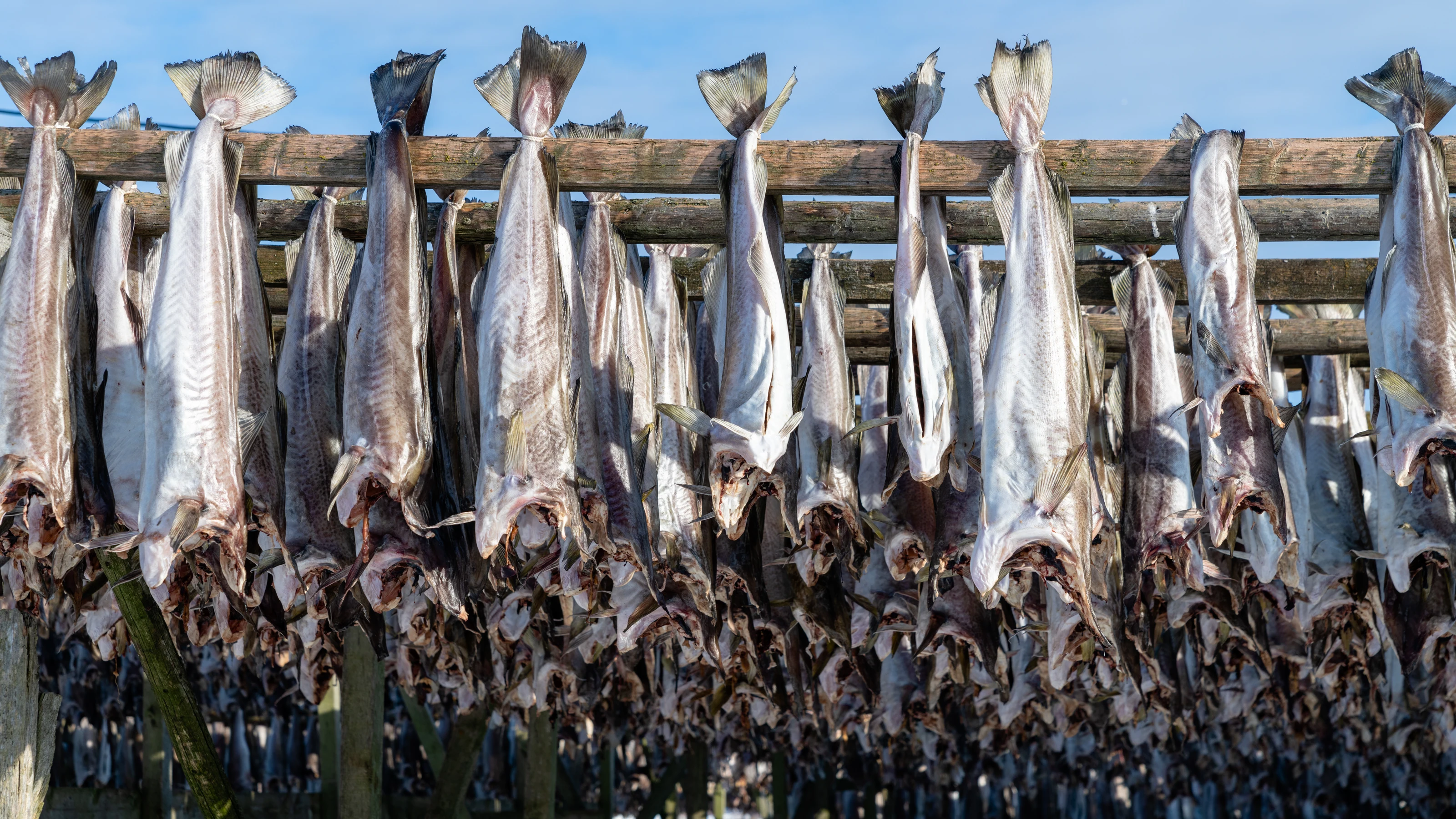
Seasonal fishing has characterized settlement, trade, work and food in Lofoten for a long time. Skrei come towards the coast to spawn, and the catch has been the basis for both fresh food and products that could be stored and exported.
Stockfish dries naturally, developing its flavour and texture through the fish itself, the weather and the way it is handled. For many dishes it needs soaking before cooking. You can see this history in the drying racks, wharves, fishermen's cabins and museums, but some of these are still working sites. Observe without entering private or restricted areas.
Norsk Fiskeværsmuseum, the Norwegian Fishing Village Museum, and other local heritage venues provide context that a restaurant menu alone cannot. Check seasonal opening hours before visiting.
Skrei and dried fish are not the same product
Skrei refers to migrating, sexually mature north-east arctic cod that come to the Norwegian coast to spawn. Dry fish describes a preservation method and a finished product of unsalted fish dried outdoors. The two terms meet in Lofoten's history, but should not be used as synonyms.
On the menu, skrei can be served fresh in season, while stockfish is used in both traditional and modern dishes. Ask the waiter about the origin and treatment of the raw material if it is important to you. A dish can be inspired by Lofoten without all the ingredients being local.
Protected designations have their own requirements. Use the official scheme to check what a protected name actually means, rather than interpreting the marketing alone.
Coastal food is more than one raw material
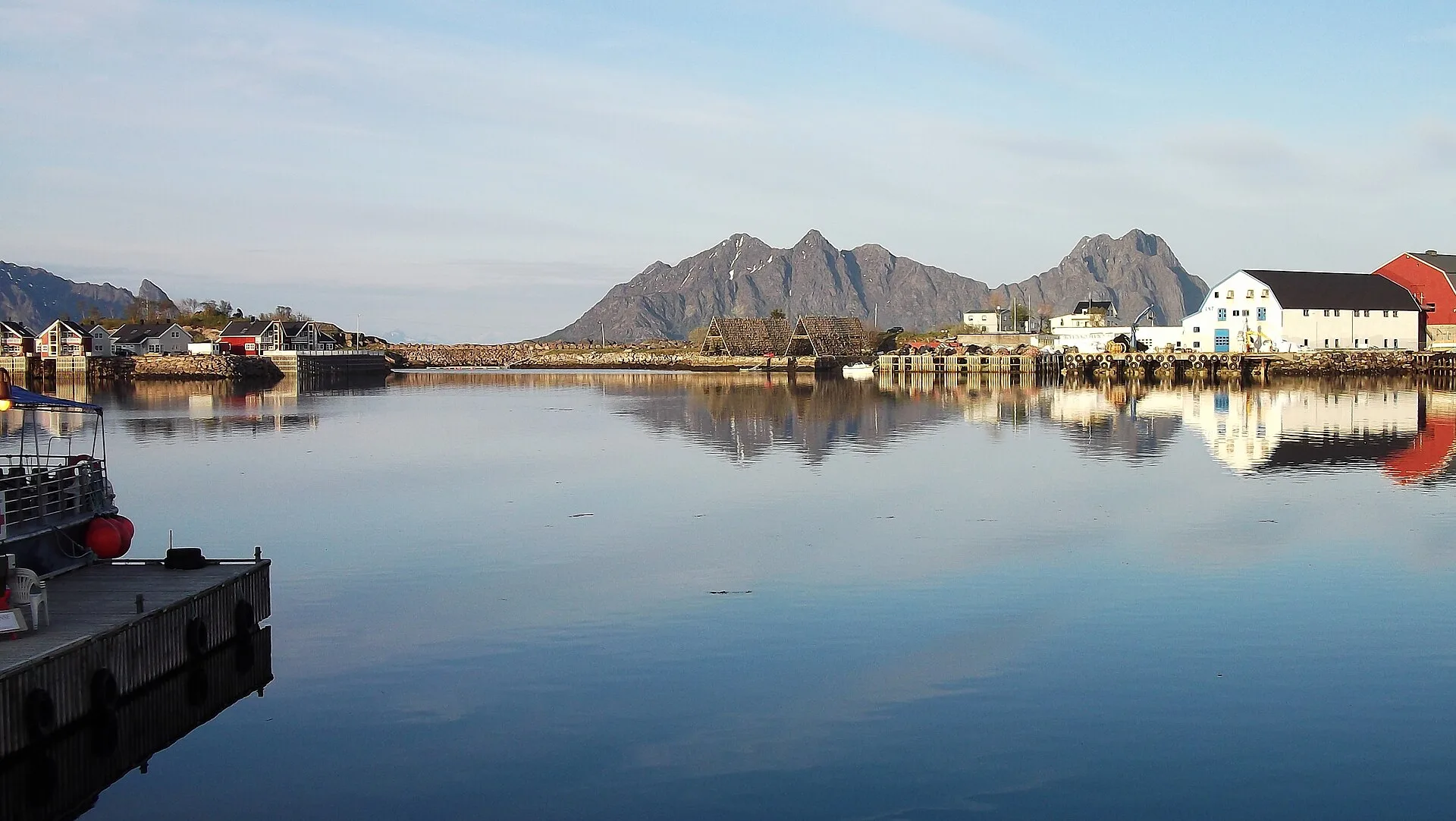
Look for other seafood, fish soup, liver and roe in relevant seasons, lamb, dairy products, baked goods and produce from local producers. Access changes with season, delivery and the restaurant's profile. A short menu can be a sign of quality when the kitchen works with what is actually available.
Modern restaurants interpret the traditions differently: some are close to home cooking and fishing villages, others use techniques and combinations from an international cuisine. Both can provide value if the origin and idea are communicated honestly.
Cafes, bakeries, farm sales and fish shops can be just as important as a long dinner. Build a food day with variety rather than three heavy restaurant meals.
Choose the venue according to the occasion and logistics
Decide whether you want a quick lunch, a family-friendly dinner, a tasting menu, a view or somewhere to eat after a late activity. Then narrow the options by area and opening hours. Even an excellent restaurant far from your accommodation is a poor choice if getting back means driving in bad winter weather or after drinking alcohol.
Svolvær has the largest overall selection. Henningsvær combines food with galleries and fishing villages, while Reine, Sakrisøy, Sørvågen, Ballstad and Nusfjord have less capacity and distinctive individual places. Reserve important meals, and check the kitchen's latest order time.
Use our restaurant overview to compare occasion and area. Then go to the restaurant's official page for today's menu, price and reservation.
Five questions that make for a more interesting meal
- What produce is in season right now?
- What comes from Lofoten or nearby producers?
- How is the fish preserved or prepared?
- Which dish best represents the kitchen's own idea?
- Can allergens and adaptations be confirmed before ordering?
Ask questions curiously, not as a test. An honest answer that the raw material comes from another place is better than a vague local claim. In the case of an allergy, the information must always be clarified directly with the restaurant; an editorial guide cannot guarantee kitchen routines.
The price must be assessed against the raw material, work, location, capacity and form of serving – not just portion size.
Suggestions for a food day without unnecessary driving
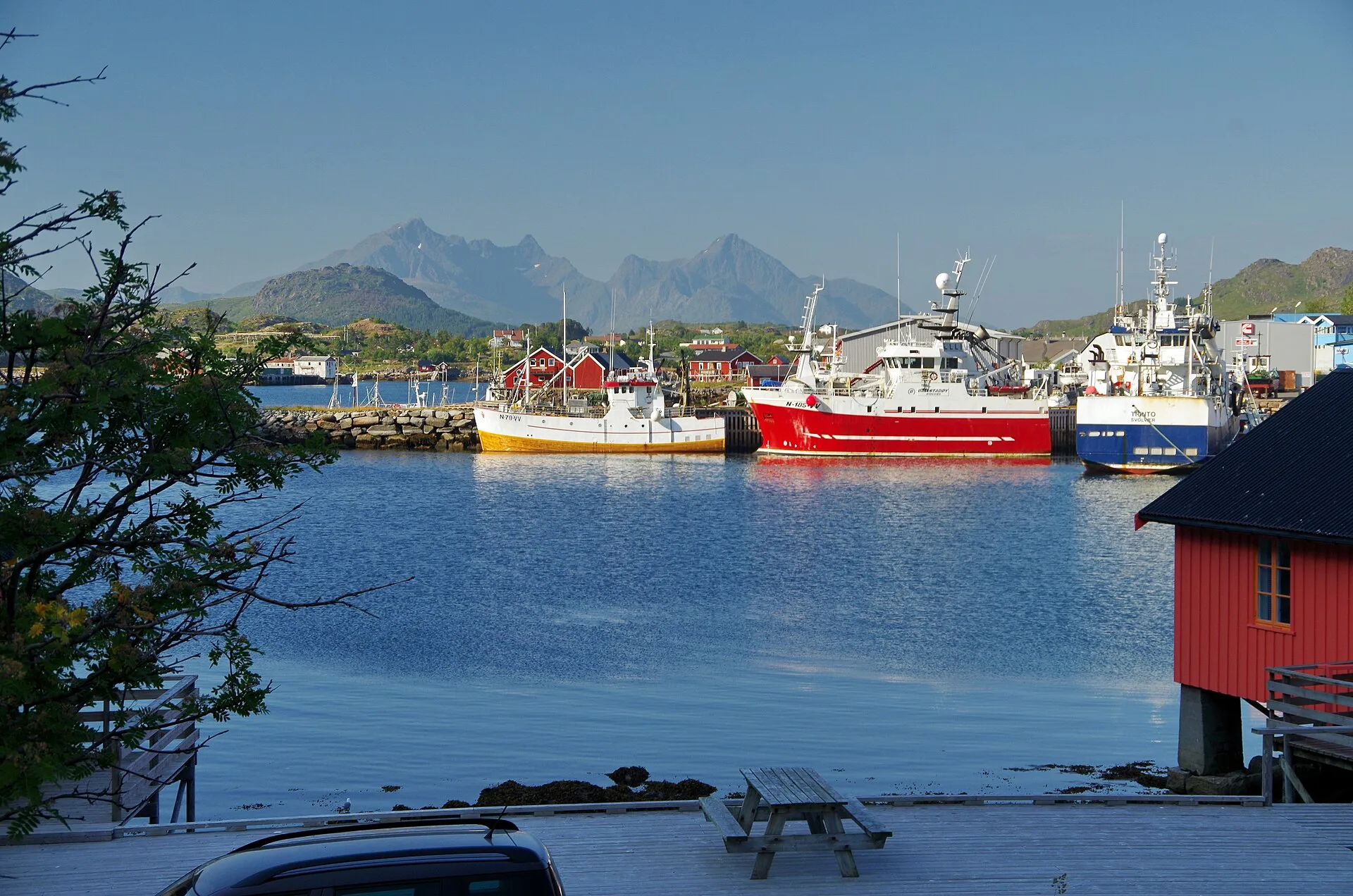
East: start with a bakery or cafe in Svolvær/Kabelvåg, use a museum or gallery in the middle of the day and order a seafood dinner in Svolvær or Henningsvær.
Mid: combine Lofotr or a local producer stop with Ballstad, Leknes or a fishing village. Check distance and season opening.
West: use Sakrisøy, Reine, Sørvågen or Å to connect seafood with fishing village history. Capacity may be small, so confirm tables and kitchen times before you travel.
Do not drive after drinking alcohol. Stay within walking distance, choose alcohol-free drinks or arrange transport in advance.