Lofoten fishing is a living industry, not a tourist spectacle
North-east Arctic cod, known as skrei, comes to the coast to spawn. Winter fishing has shaped Lofoten's settlements, trade, fishermen's cabins and food traditions. The season is particularly associated with January to April, though timing, catches and weather vary.
Keep a respectful distance from working quays, boats, fishing gear and fish-drying racks. Do not enter production areas or move equipment for a photograph. To understand the wider story, combine your trip with SKREI in Storvågan, Norsk Fiskeværsmuseum in Å, or our food culture guide.
Skrei on the menu and a guided sea trip are two different experiences. Both can be good entrances without you having to pretend that you are participating in commercial fishing.
Compare fishing trips on more than duration and price
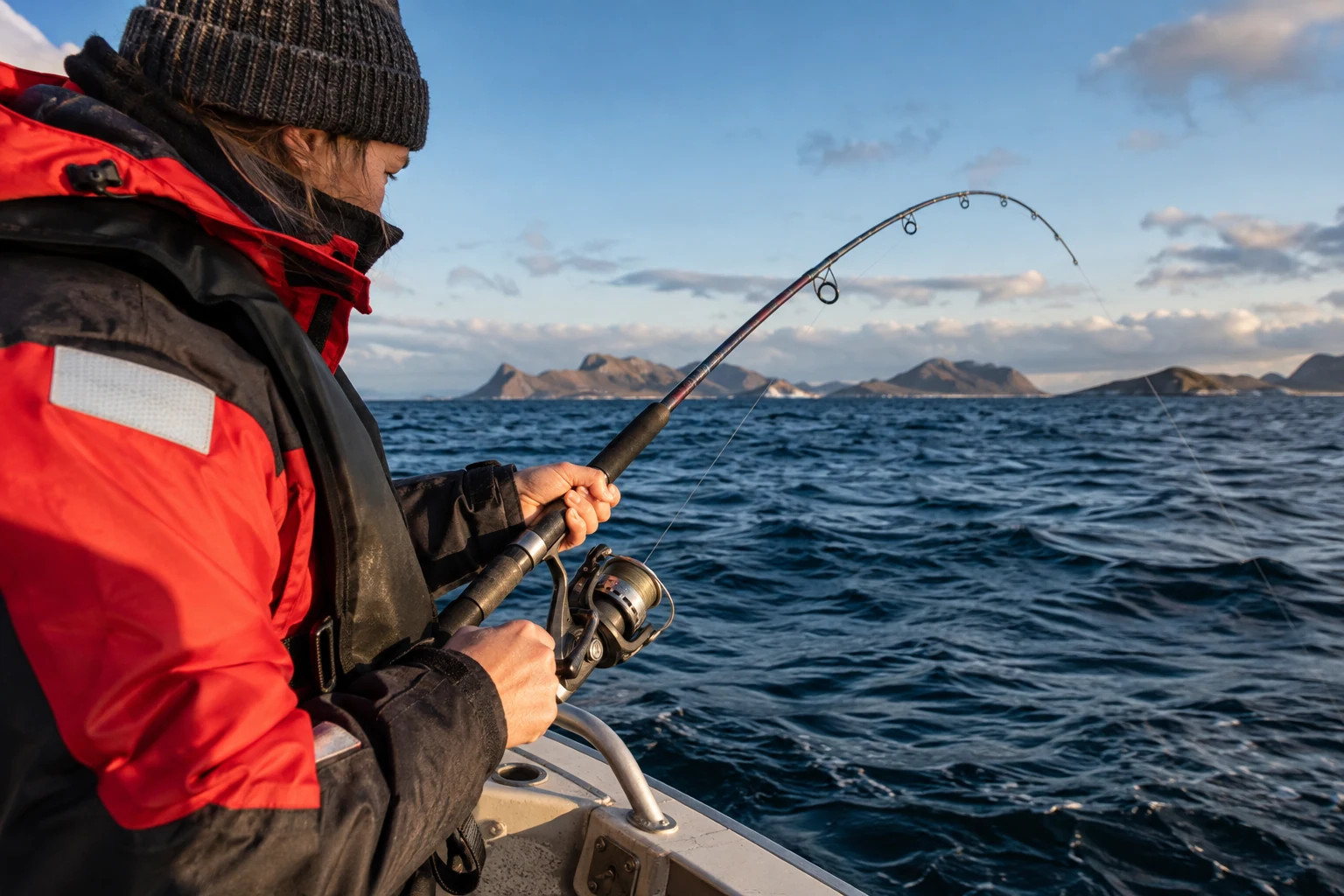
Check the boat type, maximum group size, sheltered space, toilet, flotation suit, lifejacket, fishing equipment, language and exact meeting point. Ask whether the trip suits children, people with reduced mobility or anyone prone to seasickness.
An open smaller boat and a larger boat with indoor space offer different experiences. A longer trip is not automatically better if the cold, movement or travel time reduce comfort. Read the operator's cancellation terms and book the trip early in your stay so that a new date can be possible.
On our activity page, product links are clearly marked. Final price, capacity and terms are checked in the order.
Dress for long periods sitting still, wind and sea spray
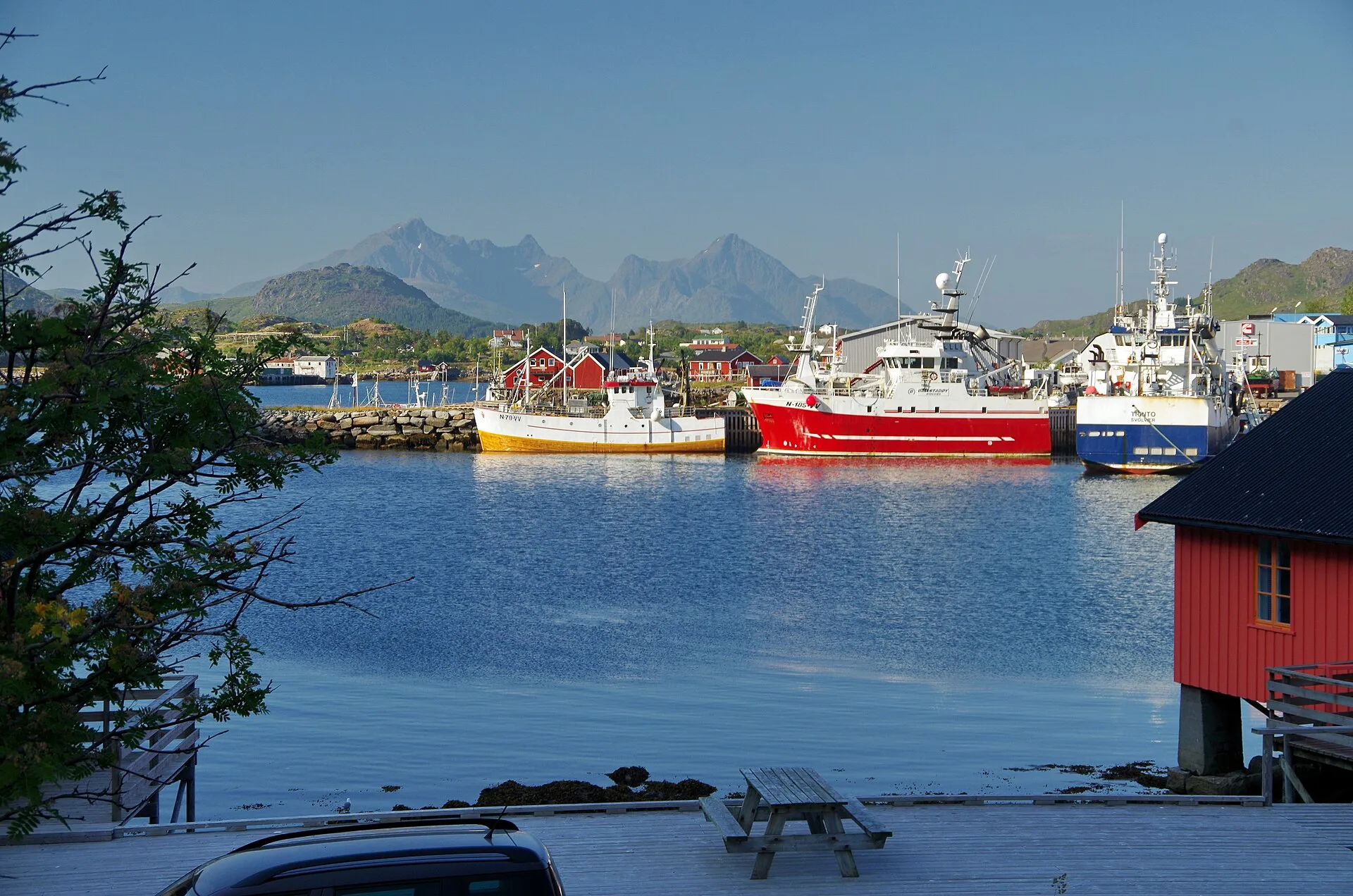
The temperature ashore tells you little about how several hours at sea will feel. Wear a wool base layer, an insulating mid-layer and a windproof outer layer. Bring a warm hat, gloves and dry spare clothing, even if the operator provides a flotation suit.
Eat lightly and arrive well rested. If you are prone to seasickness, seek advice from a healthcare professional or pharmacist; check contraindications before taking unfamiliar medicines. Tell the skipper about relevant health conditions that could affect safety.
The skipper decides whether the trip can be carried out and can change the area or duration. It is a safety choice, not a defect in the product.
The rules must be checked again before fishing and before export
The Directorate of Fisheries publishes current rules for tourist fishing, protected species, minimum size, gear and export. From 1 January 2026, the export quota was reduced to 15 kilograms of fish or fish products per person, up to twice a year, with stricter documentation and an age limit. This can be changed later and must therefore be checked directly before the journey.
Export is linked to fishing with registered tourist fishing businesses and individual documentation. Do not use an old screenshot or a verbal statement as a legal basis.
Freshwater fishing and rivers with salmon have different rules and may require a local fishing permit. This guide does not cover every local exception.
Clarify what happens to the catch before departure
Ask whether fish will be released, kept, shared, filleted or prepared to eat. Keep only what you can handle responsibly, and follow the skipper's advice on minimum sizes and species. Fish being released need gentle, prompt handling.
If fish is to be stored or transported, you need a cold chain, suitable packaging, luggage capacity and documentation. A hotel room without a freezer is not a plan. Check with the registered business and carrier before the trip.
A good meal at a local restaurant can be a better ending than bringing more catch than the trip can handle.
Experience fishing culture without going to sea
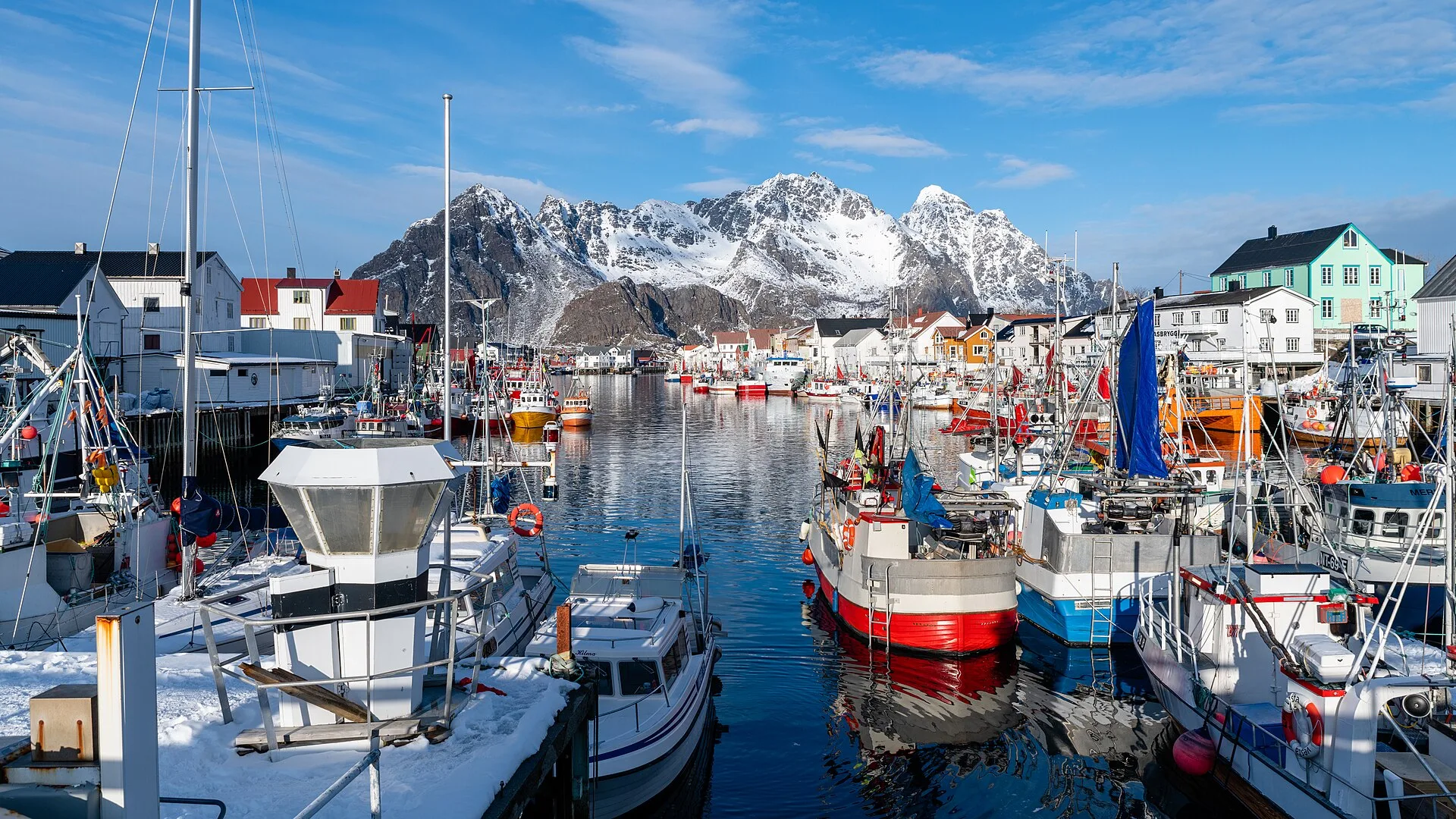
SKREI in Storvågan, Lofotr, Norsk Fiskeværsmuseum, Sørvågen and working fishing villages reveal past and present life. Winter brings fish-drying racks and busy harbours; visitors must not obstruct the work.
Shore fishing in the sea may be possible, but rocky cliffs, waves, wind and cold water create risks. Use a lifejacket where the conditions require it, keep a distance from work areas and read the rules for species and equipment. Do not select an unknown land point after a random map pin.
Food offers another way to understand the fishing culture: ask about the species, season and preparation rather than treating all white fish as interchangeable.