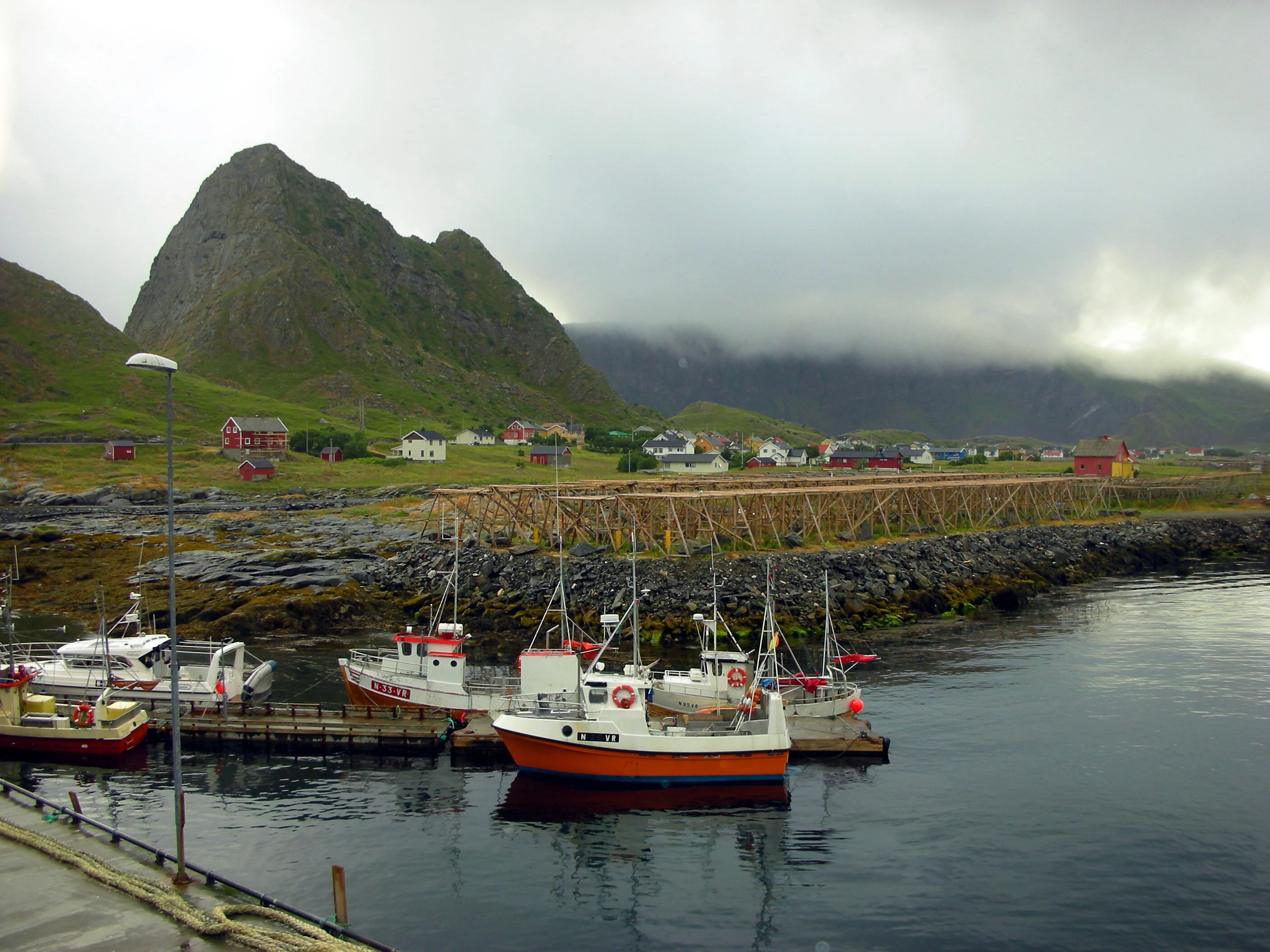
Værøy and Røst provide two completely different landscapes
Værøy has distinctive mountains, paths and views reminiscent of the steep main range in Lofoten, but the island transport provides a clear distinction. Røstlandet is low and open, surrounded by a large archipelago with sky, sea, fishing and bird life as the main impression.
Don't choose between them based on one picture. Ask if you want a mountain trip and altitude or a quieter, flat island community with cycling, culture and the sea. Both require respect for the weather, local capacity and that transport does not run as often as between larger towns.
For a first visit, allow at least two nights on your chosen island, or more if the timetable requires extra time. A tightly scheduled day trip is vulnerable to delays and leaves little time to explore.
Book the journey in the correct order
Start with the official timetables for your travel dates. Værøy municipality lists ferry services and scheduled helicopters from Bodø. Røst is accessible by ferry and plane; check flight schedules and availability with Avinor and the airline. Check ferry timetables and vehicle reservations with Torghatten.
Then find accommodation that is open and can welcome you at your arrival time. Book activities last. Allow extra time before onward flights or trains, especially with separate tickets and weather-dependent sea crossings.
Read the rules for passenger registration, check-in times, baggage and vehicles. Do not rely on times found casually on social media; schedules can change with the day of the week and season.
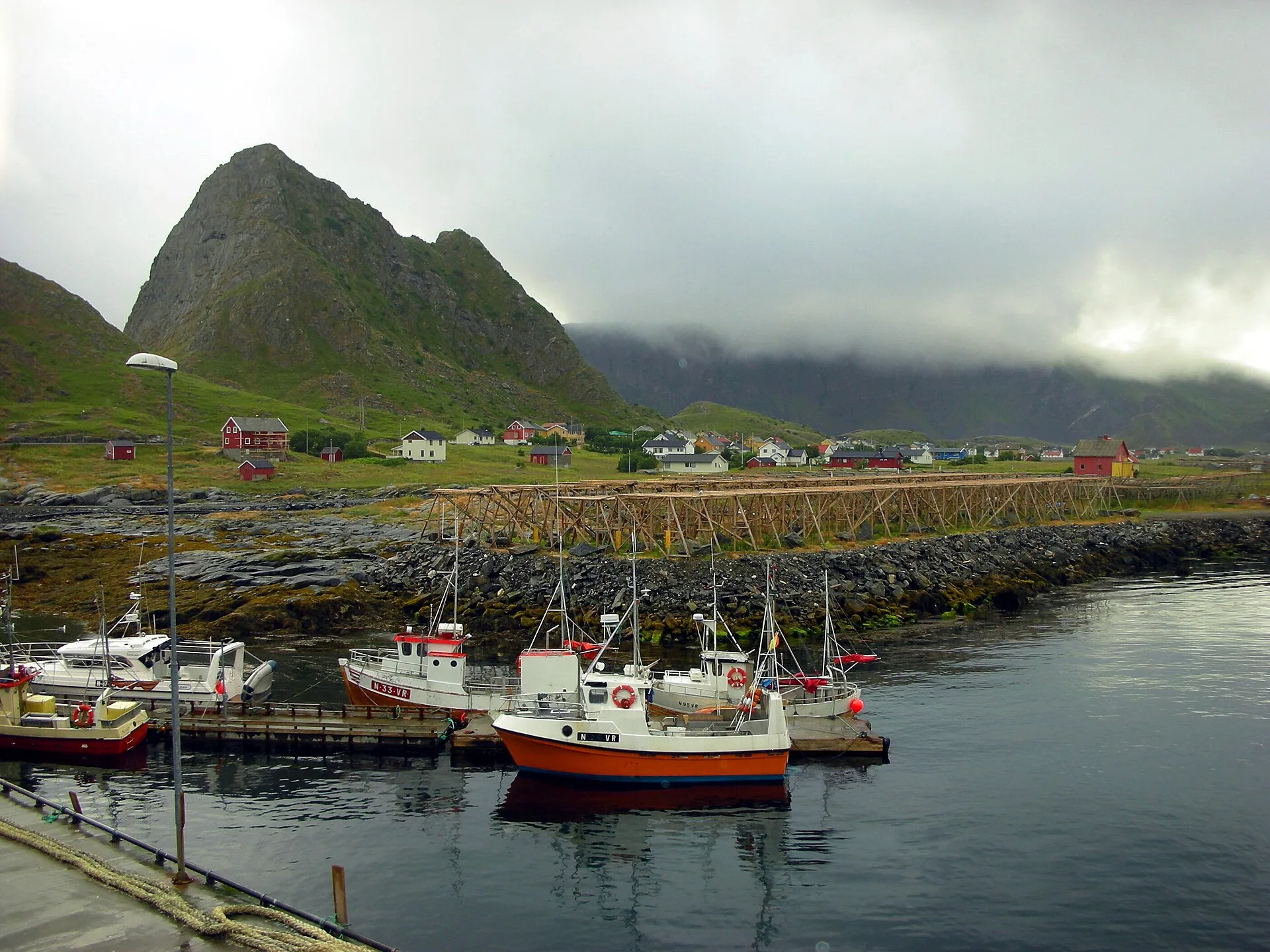
Værøy: the mountain island where the trip must suit the conditions
Værøy is known for its mountain scenery, views and walks, but weather and ground conditions determine what is sensible. Before heading to Håheia or another popular summit, consult a current route description and assess wind, fog and your own experience. Being close to the village does not make ridges and exposed edges safe.
Use Sørland and its local services as your base, checking opening hours and transport before setting off. When clouds hang low, focus on fishing villages, culture, food and gentler coastal outings.
Bird life, grazing animals and private areas require distance. Follow the path and local signs. Do not use drone or close-up photography in a way that disturbs wildlife or residents.
Røst: open skies, fishing and a different island rhythm
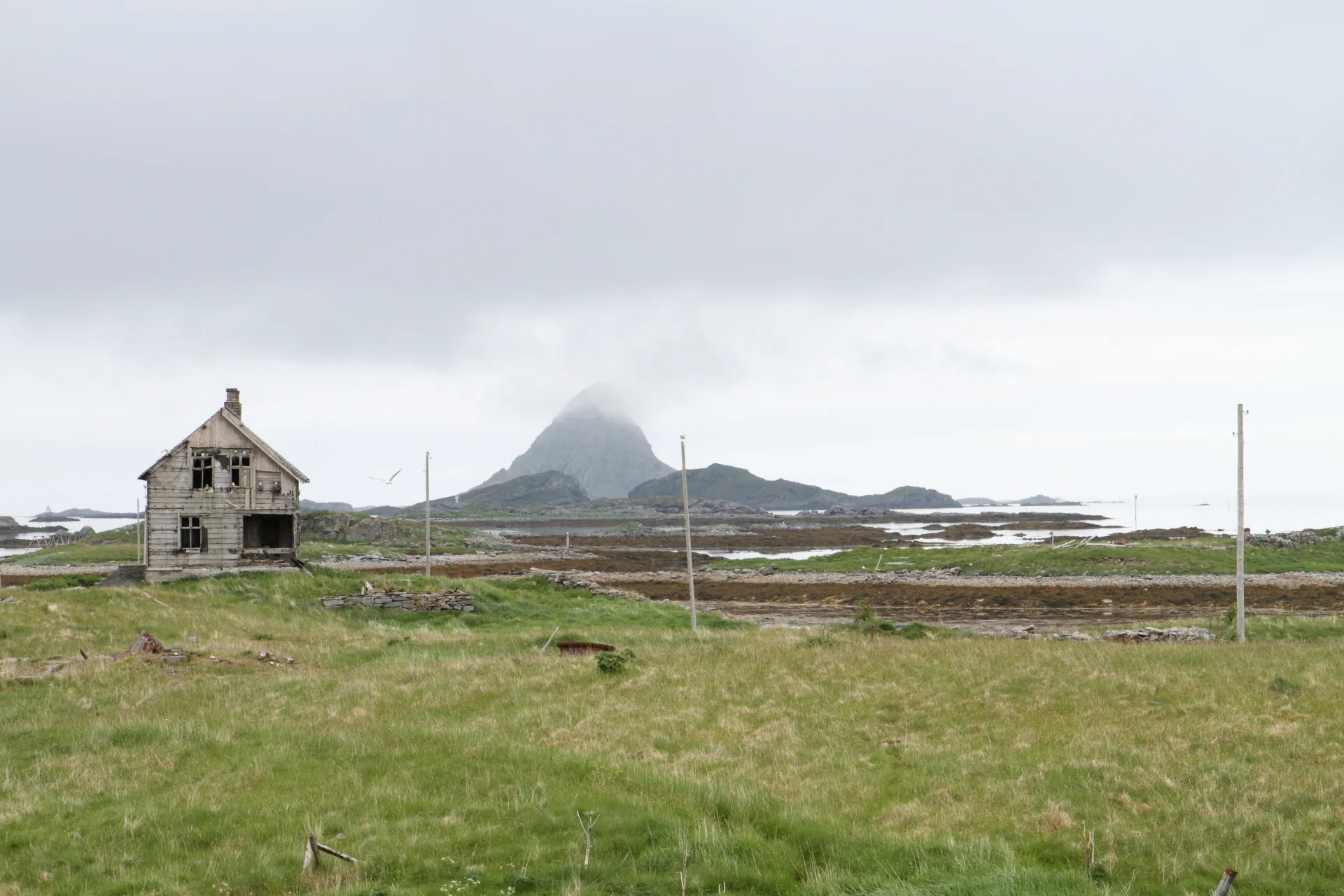
Røst provides a flat main landscape and a large perspective towards sea and sky. This makes cycling and quiet exploration relevant when the wind and weather are suitable, but distances, services and possible boat transport still need to be clarified.
The fishing community is not a backdrop. Ports, quays and production areas can be workplaces with traffic and restrictions. Use open spaces, local guides and offers that convey history and nature in a safe way.
Birding experiences require seasonal knowledge and distance. The boat trip must be booked with an operator who assesses the sea and safety; wildlife can never be guaranteed.
Small capacity makes planning more important
Accommodation and dining options are more limited than on the main islands. Confirm opening dates, room type, meals, transfers from the quay or airport, and what happens if your arrival changes. A kitchen or a meal arranged in advance makes your stay easier to manage.
Don't expect long opening hours or that all menus are available outside of peak season. Shop for necessary food before a late departure if the operator allows luggage, and confirm local options with the accommodation.
A longer stay contributes more to the local economy and leaves time for weather delays. Choose local businesses, pay for facilities and respect the limited capacity of services such as waste collection and toilets.
This is how four nights on one island can work
Night 1: arrival and check-in, with no fixed activity. Day 2: explore the village, culture and local food. Day 3: your main walk or boat trip when conditions allow. Day 4: leave room for weather changes, cycling, a low-level walk or more local discoveries. Day 5: depart with plenty of time.
Combining Værøy and Røst in the same short stay may look efficient, but the routes decide whether it is realistic. Choose one island well rather than both superficially. The combination works best when the ferry schedule, accommodation and onward travel form a robust chain.