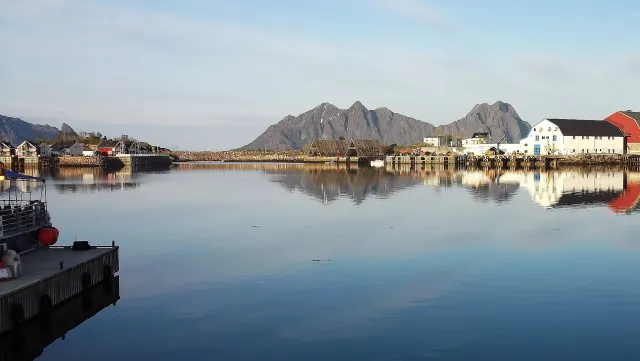
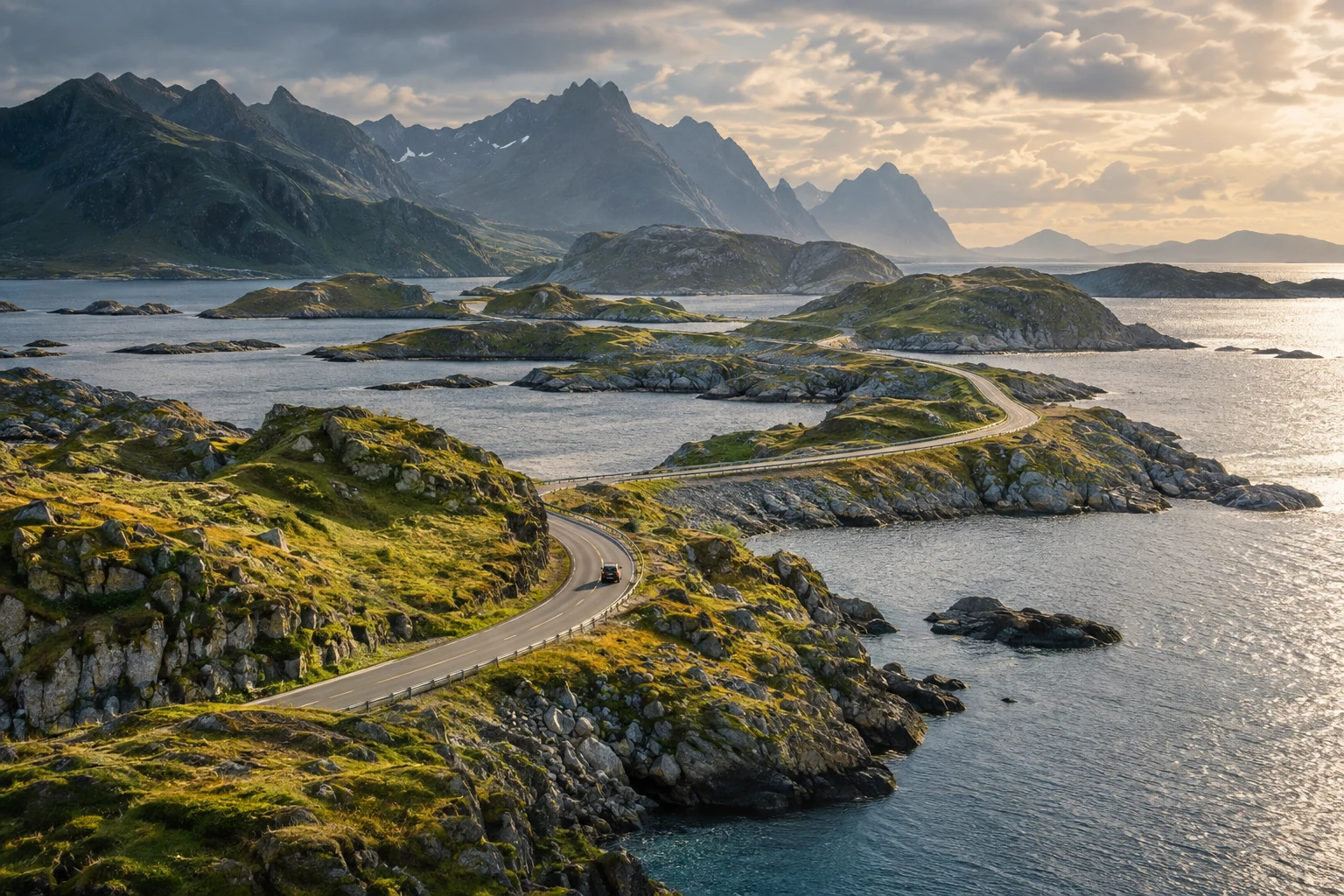
Spend two nights in Svolvær, three around Reine and the final night back in Svolvær. This suggested summer and early-autumn route leaves the last day for the drive to Evenes and the flight home.
Some links are affiliate links. ViewLofoten may earn a commission if you book through them. You book with the named provider.
The seven-day plan at a glance
This is a proposed route, not a package with included hotels or activities. It assumes you arrive at Evenes on day one and depart on day seven: six nights in total. It works best when the arrival leaves enough time to reach Svolvær and the return flight allows a sensible drive from your final base. Change the first or last night if your flights do not fit.
Seven days and six nights · suggested order
Day
Route
Main plan
Overnight
Day 1
Evenes → Svolvær
Arrival, collect car, settle in
Svolvær · night 1
Day 2
Svolvær
Trollfjord cruise or local day
Svolvær · night 2
Day 3
Svolvær → Henningsvær → Reine
Village stop and westbound drive
Reine area · night 3
Day 4
Reine, Hamnøy, Sakrisøy
A fjord outing or village day
Reine area · night 4
Day 5
Western Lofoten
One hike OR a beach-and-village day
Reine area · night 5
Day 6
Reine area → Svolvær
Return east with selected stops
Svolvær · night 6
Day 7
Svolvær → Evenes
Fuel or charge, return car, fly home
No overnight in this seven-day plan
Map: the route from east to west and back
At our 12 September 2026 check, Google Maps estimated roughly 304 km and 5 hours 20 minutes for Evenes → Svolvær → Henningsvær → Ramberg → Reine, before sightseeing stops. That is the westbound journey split across days one and three, not the total distance for the week. Follow E10 with Henningsvær as a side trip, and open the driving directions for an updated estimate. It is not a walking route or a promise of uninterrupted travel times. Open our interactive Lofoten map to explore places and accommodation.
Explore the two hotel bases and village stops below. Evenes airport lies east of this section. For a current driving route, open the directions separately.
Start with a hotel in Svolvær and a rorbu in Reine. Reserve the final night near Evenes instead if an early return flight makes a same-day drive unsuitable.
The stars indicate hotel class. The guest rating is a separate score out of 10 and may differ from the booking website. This is not a ViewLofoten review score.
Svolvær
Two stays
Breakfast included
A hotel base for the beginning and end of the route. Book the first two nights and the final night as separate stays.
The stars indicate hotel class. The guest rating is a separate score out of 10 and may differ from the booking website. This is not a ViewLofoten review score.
Reine
Three consecutive nights
Select the room category
Compare a room or kitchen-equipped rorbu for three nights in Reine. Keep one of these days flexible for the weather.
The stars indicate hotel class. The guest rating is a separate score out of 10 and may differ from the booking website. This is not a ViewLofoten review score.
The stars indicate hotel class. The guest rating is a separate score out of 10 and may differ from the booking website. This is not a ViewLofoten review score.
Days 1 and 2: arrive, settle in and choose one excursion
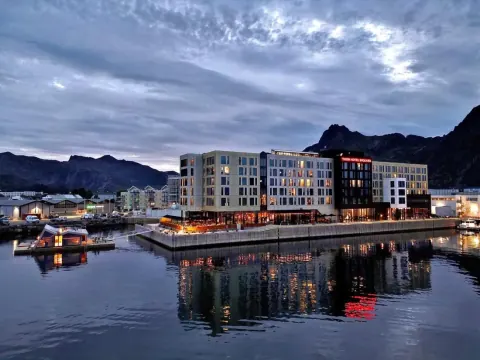
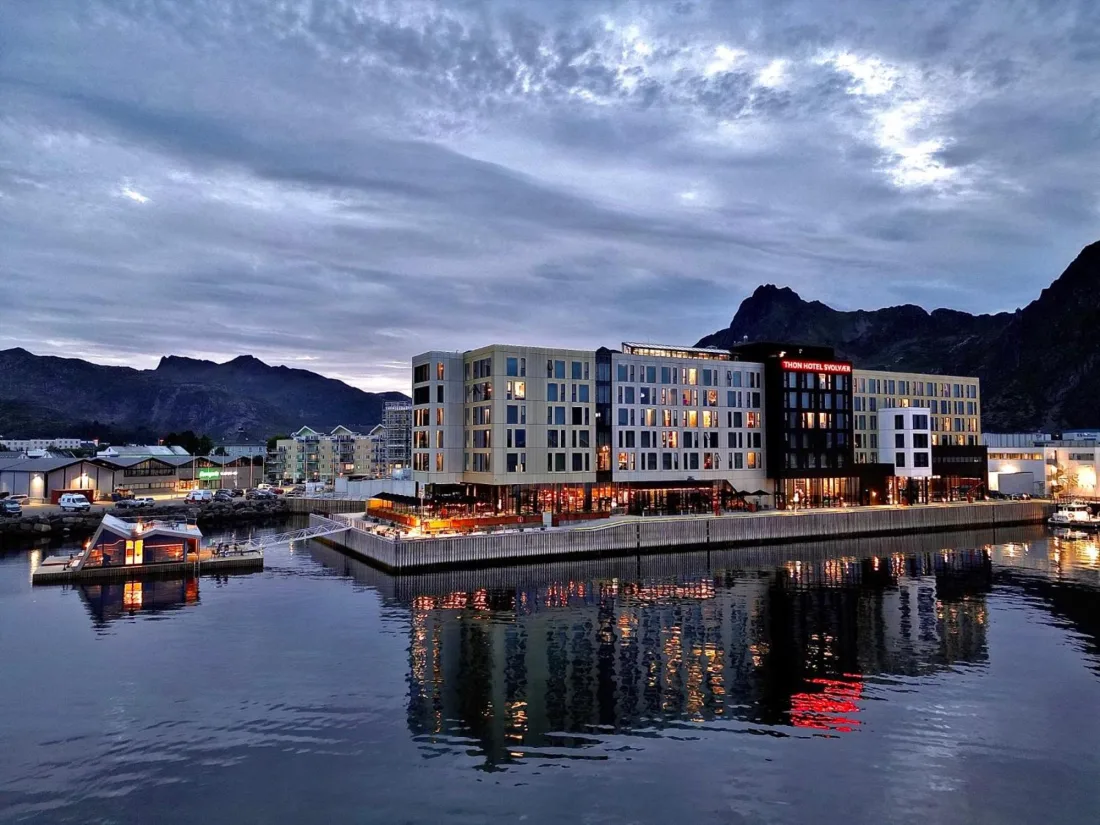
Ratings for Thon Hotel Svolvær
★★★★★★★★★★5 / 5Hotel class
9.2/10Guest rating1,983 reviews
Retrieved
The stars indicate hotel class. The guest rating is a separate score out of 10 and may differ from the booking website. This is not a ViewLofoten review score.
From Evenes airport, Visit Lofoten gives about 2½ hours of driving to Svolvær, depending on conditions. Allow additional time for the rental desk, groceries and stops. The road connection uses E10 and does not require a ferry. On day one, collect the car and drive to Svolvær. Leave this as an arrival day. A late flight, a slow baggage delivery or an unfamiliar vehicle is a poor starting point for a schedule with a second major destination after check-in.
On day two, choose a Trollfjord cruise or RIB tour, or a local sightseeing day. Book one main activity and keep the other half of the day free for the harbour, food and a walk. Thon Hotel Svolvær is one practical hotel comparison; the Svolvær guide also includes rorbuer and other hotels.
Follow E10 west and take road 816 out to Henningsvær. It is a detour: return to E10 before continuing towards Reine. Check out and visit the harbour village before the longer westbound leg. Give the village stop a real place in the day: walk around the harbour, choose a café or gallery that is open, and leave without trying to add every beach in central Lofoten. The priority is arriving at your western base with time to settle in.
If weather makes Henningsvær less appealing, shorten the stop and move another suitable visit to the return journey. A short stop at Ramberg can fit if your progress and energy allow it. Do not turn every map pin along E10 into a compulsory detour; save a few places for day six.
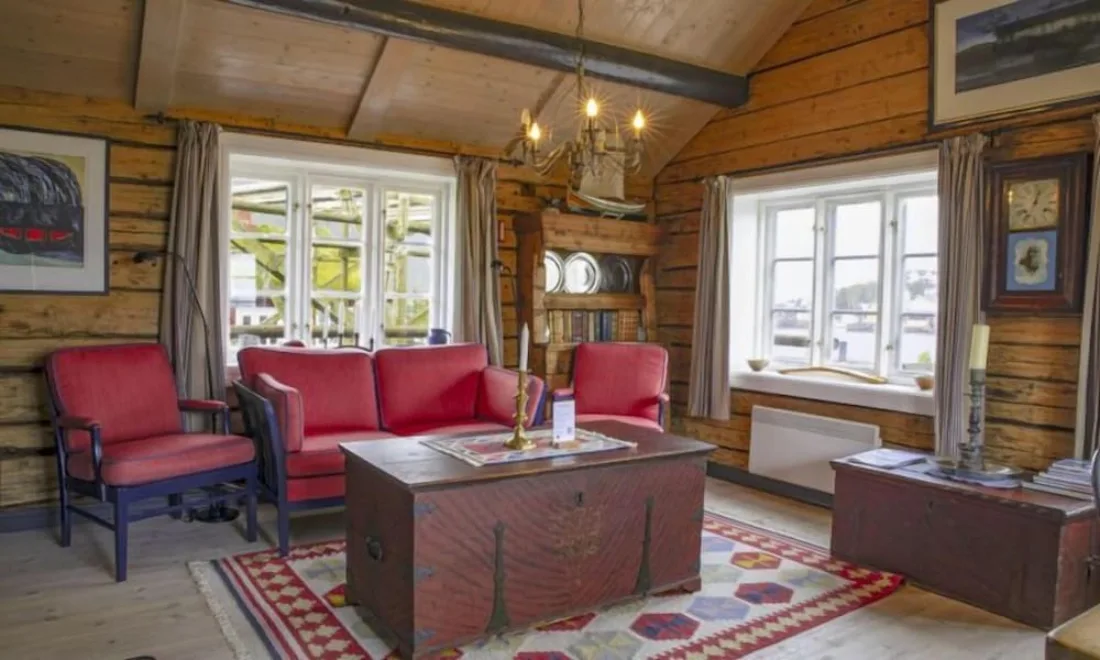
Reine Rorbuer · Property photograph
For nights 3, 4 and 5
Days 4 and 5: stay around Reinefjorden
Ratings for Reine Rorbuer
★★★★★★★★★★3 / 5Hotel class
9.2/10Guest rating85 reviews
Retrieved
The stars indicate hotel class. The guest rating is a separate score out of 10 and may differ from the booking website. This is not a ViewLofoten review score.
Use two full days to explore Reine, Hamnøy and Sakrisøy. Put a guided kayak tour on the better day if conditions and availability allow, and use the other for a village-and-beach day or one appropriate hike. Three consecutive nights reduce the pressure to do everything immediately after arrival.
If Reinebringen is your chosen hike, read the trail guide and check the current status before setting off. The stairs are steep and the approach from parking adds time. Do not combine an ambitious hike, kayaking and a late sightseeing drive merely because each activity appears short in isolation.
For the accommodation, compare Reine Rorbuer with Hamnøy and Sakrisøy alternatives. A kitchen can be useful during a longer stay, but only if it belongs to the category you book. Choose the base around the evening you want rather than changing properties every night to collect different views.
Drive back towards Svolvær with one or two selected stops that you skipped on day three. Rambergstranda offers a beach stop beside the main route. Hauklandstranda is a separate detour near Leknes; choose that if the weather and time justify leaving E10. A beach stop or a short village visit can make the return feel like another day of the trip. Leave any long hike out of this transfer day if it would turn the final drive into a tired late-night journey.
For an early flight on day seven, move this night to the Evenes area. That changes the hotel arrangement but keeps the itinerary at six nights. Do not rely on an optimistic map estimate to justify leaving a western rorbu before dawn and driving the full distance to an early check-in.
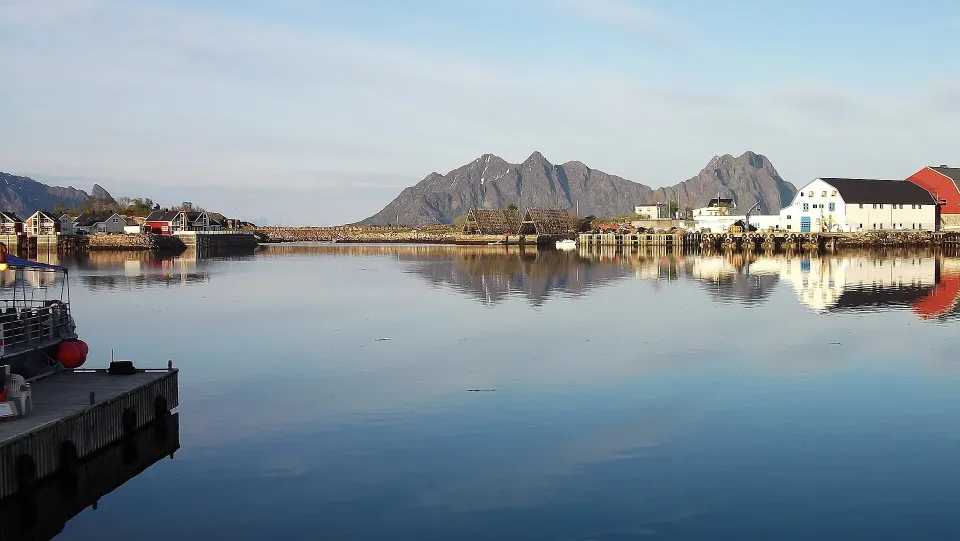
Svolvær harbour
For the complete road trip
Day 7: return the car and fly home
Allow about 2½ hours for Svolvær–Evenes as a starting driving estimate, then add stops, fuel or charging, rental return and the airline’s check-in margin. This is the reverse of Visit Lofoten’s airport-to-Svolvær estimate, not a live journey time. Leave this day for departure. Follow the airline’s current arrival advice and the rental company’s return procedure. Roadworks, wind and other disruptions can make a fixed driving-time promise misleading, so check Statens vegvesen before leaving.
Compare the car booking with the actual flight times, not simply seven calendar dates. A different return hour can change the rental duration or desk arrangement. Read mileage, deposit, additional-driver and fuel or charging terms before choosing the headline price. Our car-hire guide explains the airport alternatives.
Choose flights and the arrival route first, then compare accommodation for all six nights and the car for the complete period. Keep your cancellation deadlines together in one note. Next reserve the one activity you would most regret missing. Leave the remaining sightseeing days adjustable around the weather.
The route has no fixed budget because travel dates, occupancy and cancellation flexibility change the cost substantially. Compare full-stay totals, parking, meals and activity tickets for the whole group. A kitchen and a smaller car can change the economics, but only if they suit the people and luggage actually travelling.
Can you use this itinerary in winter or without a car?
In winter, reduce the daily distance, treat the drive as part of the day and replace summer hikes with suitable seasonal activities. Do not assume that a path shown on a summer map is a winter sightseeing route. The two-base idea can still be useful, but the days need rebuilding around daylight, road conditions and actual tour schedules.
Without a car, start again from the bus and ferry timetables and choose activities with manageable meeting points. Do not copy the driving plan into public transport and expect every stop to connect. Likewise, arriving via the Bodø–Moskenes ferry changes the starting end of the route. Use the arrival guide before booking a one-way version.
Questions & answers
Does a seven-day itinerary mean seven hotel nights?
Not in this plan. Arrival on day one and departure on day seven means six nights: two in Svolvær, three near Reine and one final night in Svolvær or near Evenes.
Can I drive from Reine to an early Evenes flight on the last morning?
We would move the final night near Evenes instead. The return drive, possible disruption and car handover make an early airport deadline a poor fit for a final night in Reine.
Are hotels, car hire and tours included together?
No. This is an independent suggested itinerary. Each booking is made separately with its provider.
Is the itinerary suitable for winter?
The base structure can help, but the daily plan needs adapting. Reduce driving, check road conditions and replace summer hikes with suitable winter activities.
Should I stay in a different village every night?
We suggest several nights in each main base. It reduces packing and gives weather-dependent activities another possible day.
Sources & editorial approach
Selected by ViewLofoten for location, practical differences and fit with the itinerary, using published information from the providers. Compare the exact room, vehicle or departure before booking. Prices, availability and conditions depend on your dates.
With your consent, Vercel measures page views and clicks. We do not send search terms, travel dates or contact details. Your choice does not affect the content. Privacy
 For nights 1, 2 and 6