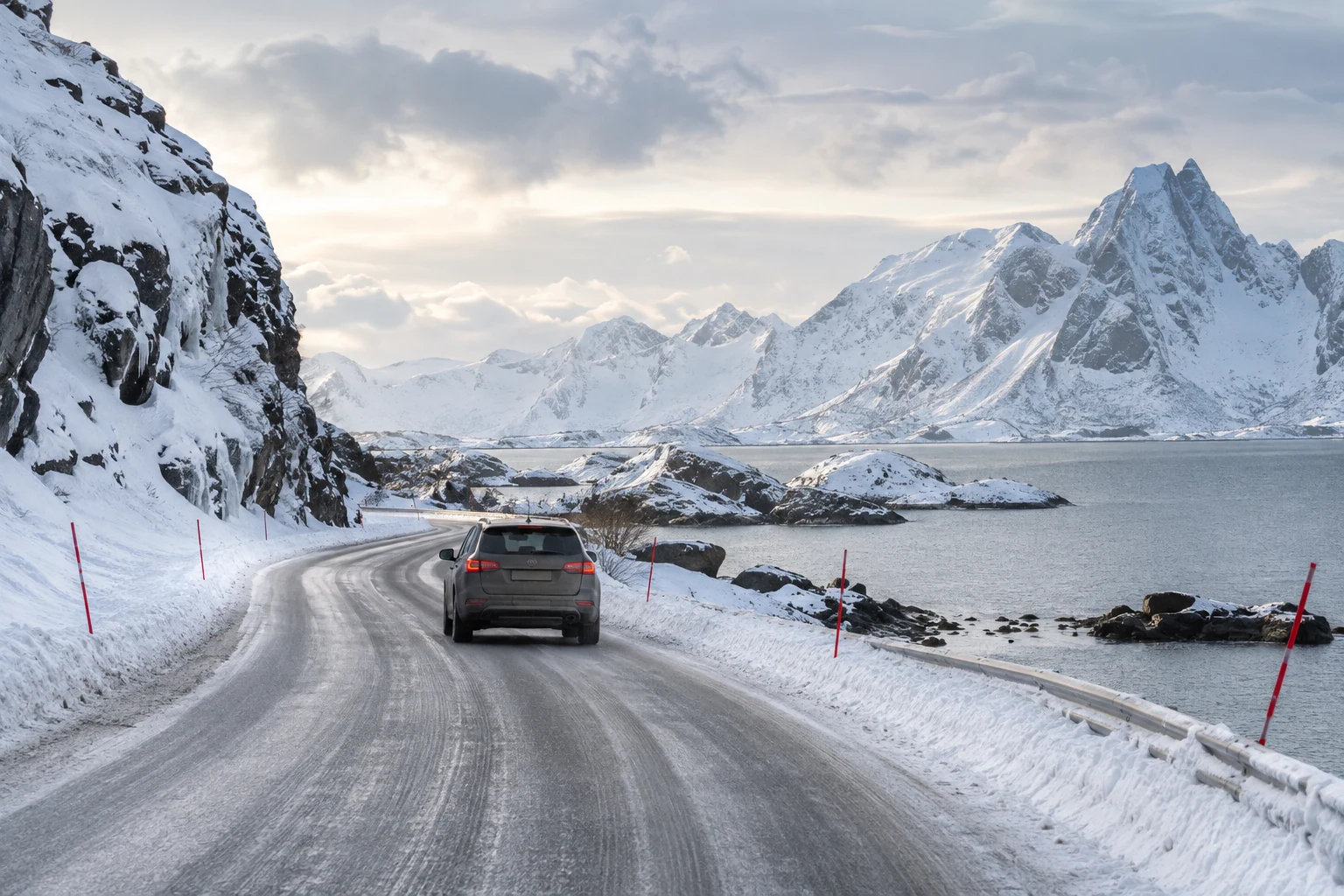
Before you order a rental car
State the entire travel period and confirm that the car is delivered with equipment that is legal and suitable for the conditions. Ask the lessor about tyres, roadside assistance, excess, charging or fuel and what to do in the event of a stoppage in the weather. A familiar and clear vehicle may be better than a larger car that you are not comfortable with.
Four-wheel drive can help with propulsion, but does not shorten the braking distance and does not replace good tires or low speed. A tall car can also be affected more by wind. Choose space for luggage without sacrificing visibility, and learn lights, windscreen wipers, heating, defogging and gear selection before driving from the airport.
If you have never driven on snow or ice, the winter holidays should not be the first time you learn this on a narrow and windy road. Use bus, taxi, hotel transport or guided day trips when the conditions or your own experience dictate it.
Do this check before each stage
- Check incidents, closures and cameras at the Norwegian Public Roads Administration.
- Read weather and danger warnings for both the start, route and finish - not just the hotel.
- Check daylight hours and drive unfamiliar side roads in daylight.
- Remove snow and ice from windows, lights, roof and number plates before driving.
- Have enough clothes, food, drink, charging and information to wait.
- Tell someone where you are going if the leg goes to a remote area.
Narrow roads, tunnels and passing places
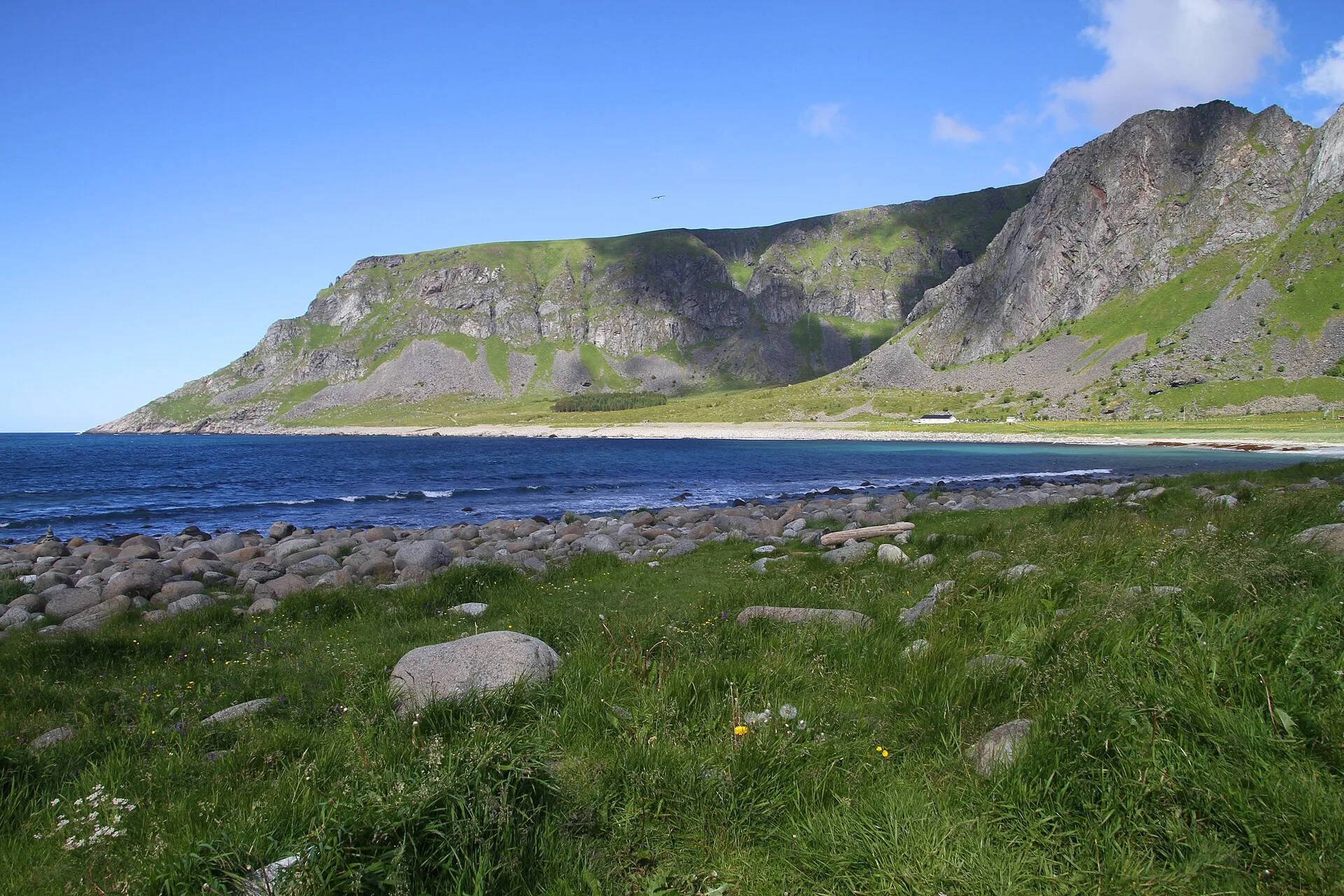
Many roads have little shoulder area, and the side roads can be narrower than the E10. Keep your gaze far ahead, reduce speed before bends and oncoming traffic, and do not push past cyclists or pedestrians where visibility is poor. In tunnels, you have to expect road users without the same protection as a car.
The signposted passing place is designed for vehicles to pass each other. It is not a photo stop, rest area or campsite. If you want to take a photo, find a legal parking space where the entire car is off the road and entry and exit are safe.
Allow faster local traffic to pass at a suitable location. At the same time, avoid driving unnecessarily slowly in a way that creates queues and risky overtaking. The goal is smooth, predictable driving.
Wind, slush, ice and changing friction
Temperatures around the freezing point can cause changing conditions between wet road, slush and ice in a short distance. Bridges, shaded sections and low-traffic side roads may behave differently from the road you just came from. Brake and steer softly, and increase the distance significantly.
Wind can move snow, reduce visibility and affect the vehicle. Open sections, bridges and exposed coastal roads require extra attention. If you have to fight to keep your direction, it is a signal to slow down and consider whether the stage should be aborted.
Avoid sudden maneuvers if you lose grip. Basic winter driving skills cannot be fully taught in a text; therefore, the right choice is often to wait for better conditions.
Electric car in winter: plan with a reserve
Cold, wind, precipitation, heating and low speed can affect consumption and range. Schedule your next charge before you need it, and have an alternative if a charger is busy or out of service. Use the car's preheating when available and understand how it displays the expected range.
Our charging map collects current stops, but the operator's app or signs on site are the source of availability, power and payment method. Don't drive a remote detour with a low battery percentage because a map shows one charging point.
A charging stop is also an opportunity to check the next stretch of road. Use the break to check the wind, road and daylight again.
When to wait, turn back or leave the car parked
Wait if the road is closed, visibility is very poor, wind or precipitation increases quickly, or you are unsure of the car's grip. Turn while you still have a safe place to do so. Don't let the desire for a photograph, aurora borealis or a reservation push you further.
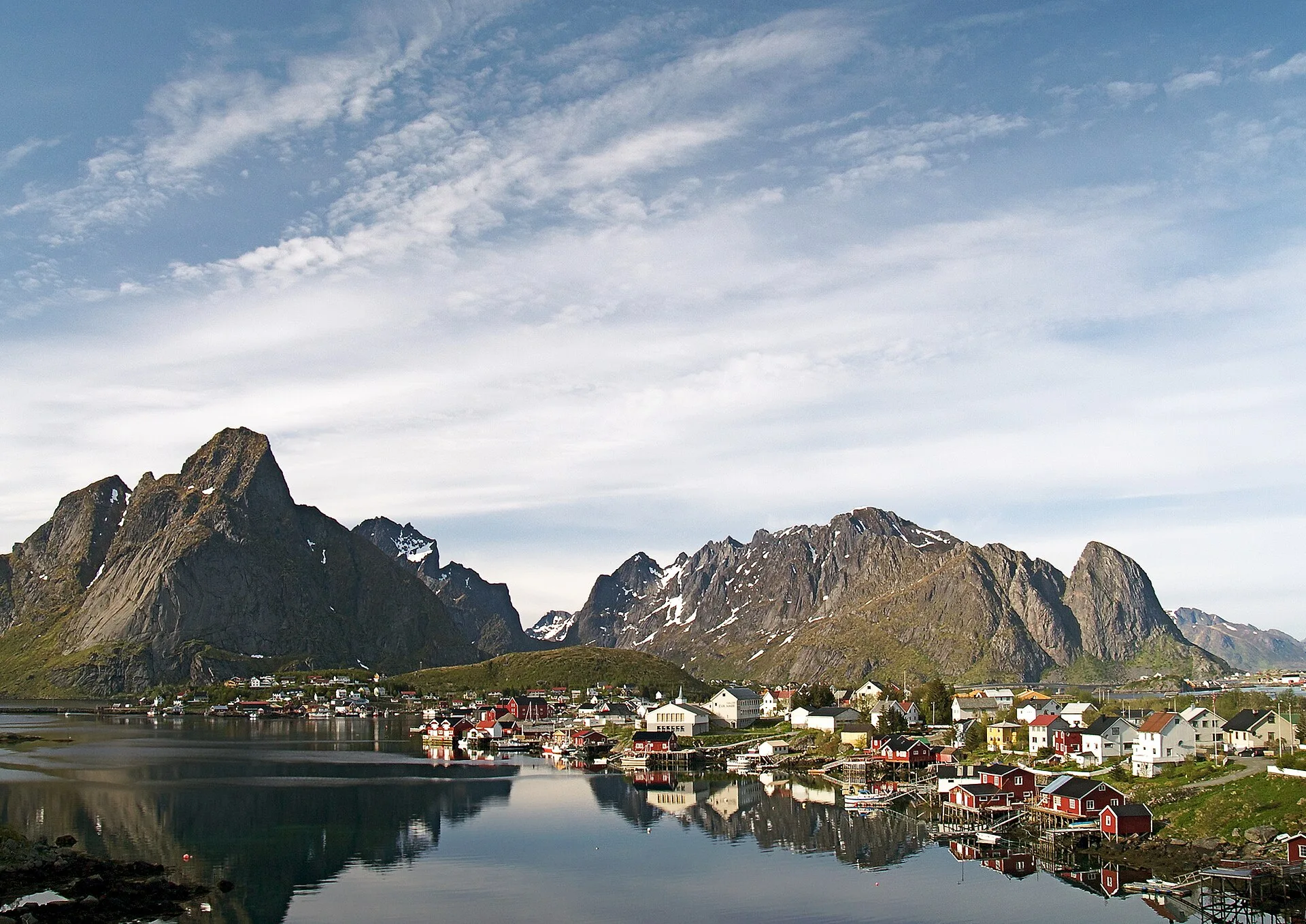
Plan B can be a whole day in Svolvær, Kabelvåg, Henningsvær or Leknes with dining, a museum and short walks. It can also be an activity with a local driver who knows the conditions. Choose accommodation with cancellation conditions and facilities that make a weather-proof day good.
In the event of incidents or danger, follow the advice of the emergency services. This guide does not replace local decisions, traffic signs or government notices.