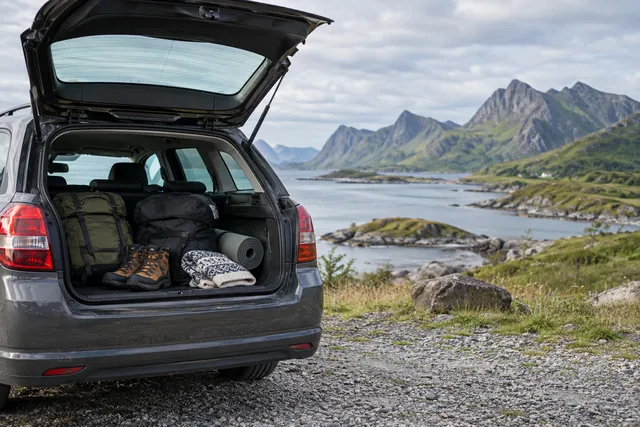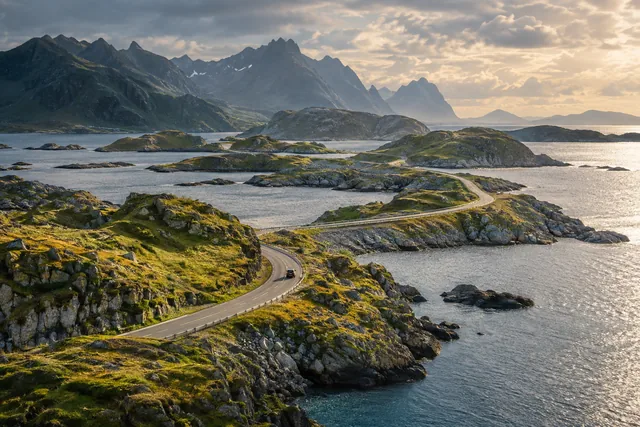
Choose east or west based on arrival - not based on the most famous image
The route counts day 1 as arrival and day 3 as departure, i.e. normally two nights, one full activity day and two shorter days. If you have three full days on site, day 3 can be used as a full day before an extra night. That makes the point of arrival more important than a long wish list. If you fly to Svolvær or come by road from Evenes, Svolvær or Kabelvåg are the most robust bases. If you come to Moskenes by ferry and have the Reine area as your main destination, you should stay in Reine, Sørvågen or a nearby fishing village.
Do not book one night in the East and one in the West. Check-in, check-out, luggage, parking and weather eat up the time the map does not show. One base also provides a better plan B: you know where food, toilet, warm clothes and transport are when the day's main experience changes.
Check the entire journey in Entur, with Reis Nordland, Avinor or Torghatten depending on the mode of transport. A blog or this guide should never be used as a timetable. Compare the last connection, luggage and onward transport before choosing a room.
Day 1: arrive in Svolvær and settle in without rushing
Spend the first day on a calm arrival. Stay within walking distance of the harbor or a documented stop if you don't have a car. By car, check parking at the accommodation before arrival; "Svolvær" in the name does not necessarily mean the centre. Put down your luggage before making a photo stop.
Walk the harbor area and city center, find the meeting place for any activity the next day and check the opening for one meal. Kabelvåg can be a quiet addition if daylight, transport and energy are suitable, but it is not mandatory. Choose culture or a short public vantage point rather than a peak trip after a long journey.
Before evening, check MET, hazard warnings, sea conditions and the operator's updates for day 2. Put the most weather-dependent outing in the best window. Have a museum, gallery, café or local walk with confirmed opening hours as an alternative. Do not promise Trollfjord, northern lights or summit views before conditions and the operator are confirmed.
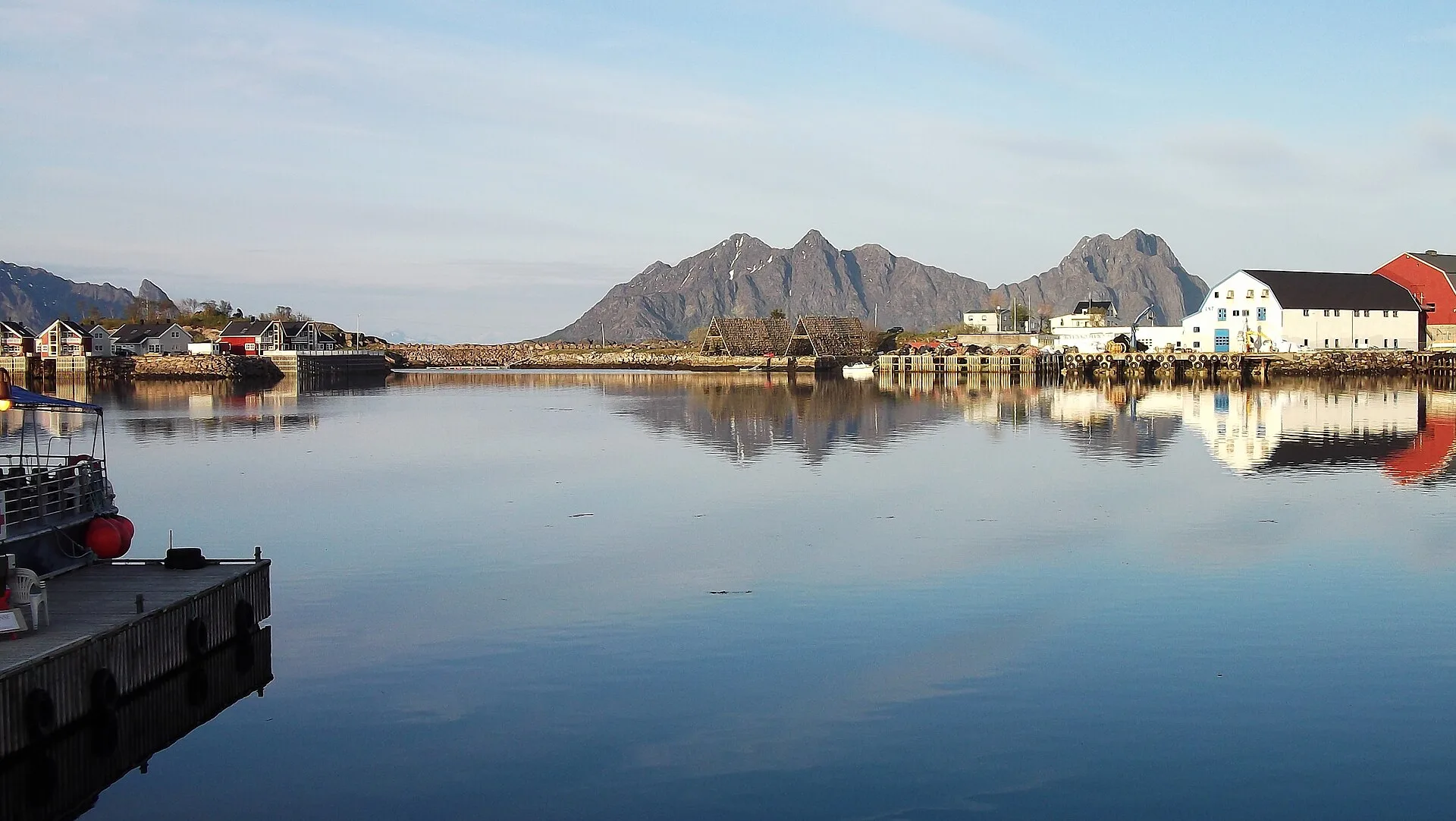
Day 2: use the best weather window on the tour's main experience
Choose one main experience that suits the season and travel companions. From Svolvær, this can be a guided boat trip, fishing trip, kayak with a qualified operator, a documented mountain trip or a land-based photo and location tour. Only order a product with a clear meeting place, duration, equipment, cancellation and weather practices.
Do not squeeze Henningsvær, several beaches and a summit walk around a fixed boat departure. Spend the remaining time near the activity's start or finish. For a harbour departure, Svolvær and perhaps Kabelvåg are natural additions. If you choose Fløya, read its dedicated safety guide and make the steep, exposed walk your main undertaking for the day.
If the activity is cancelled, use your prepared alternative: culture in Storvågan or Kabelvåg, galleries, food or a low-level local walk. Strong wind affects both sea and mountains, so the backup should not expose you to the same hazard. Check opening hours and transport before leaving.
Day 3: choose Henningsvær or a quiet Vågan day before departure
On a whole third day, Henningsvær can be the main goal. Use the fishing village, art, food and public harbor environment as a coherent experience. Park only in designated spaces and keep docks, driveways and work areas open. Festvågtinden should only be entered as the day's top hike when the weather, the surface and the group's experience are suitable.
If day 3 is also the day of departure, the plan is shorter: breakfast, a leisurely stroll around the harbour, possibly a museum with a confirmed opening, and then transport with a good margin. Don't book a boat or start a mountain trip that has to go precisely in order to catch the plane or ferry.
In case of bad weather, choose Kabelvåg/Storvågan, an indoor offer in Svolvær or a meal near the departure. The success of the day of departure is measured in a safe connection, not in the number of last-minute stops. The Norwegian Public Roads Administration and the carrier are sources of control when the road or route may be affected.
If you arrive in Moskenes, spend three days in the west without a day trip to Svolvær
The western variant uses Reine or Sørvågen as a base. Day 1 is ferry arrival, check-in and quiet time in the local area. Day 2 uses the best weather window for an activity or documented tour in the Moskenes area. Day 3 collects Å, Sørvågen, Reine, Hamnøy or Sakrisøy depending on which is closer to the base and departure.
Reinebringen is never an automatic stop. Check the latest guidance from Moskenes municipality, weather, trail conditions and parking rules. Verify boats to Vindstad and other sea connections with the operator and journey planner for your actual date; do not reuse old departure times.
Don't choose a day trip to Henningsvær or Svolvær just to "have seen the east". The long journey makes three days shallower and more vulnerable. Western Lofoten has enough landscape, coastal history, food and tour choices for the entire stay, with a better margin for weather.
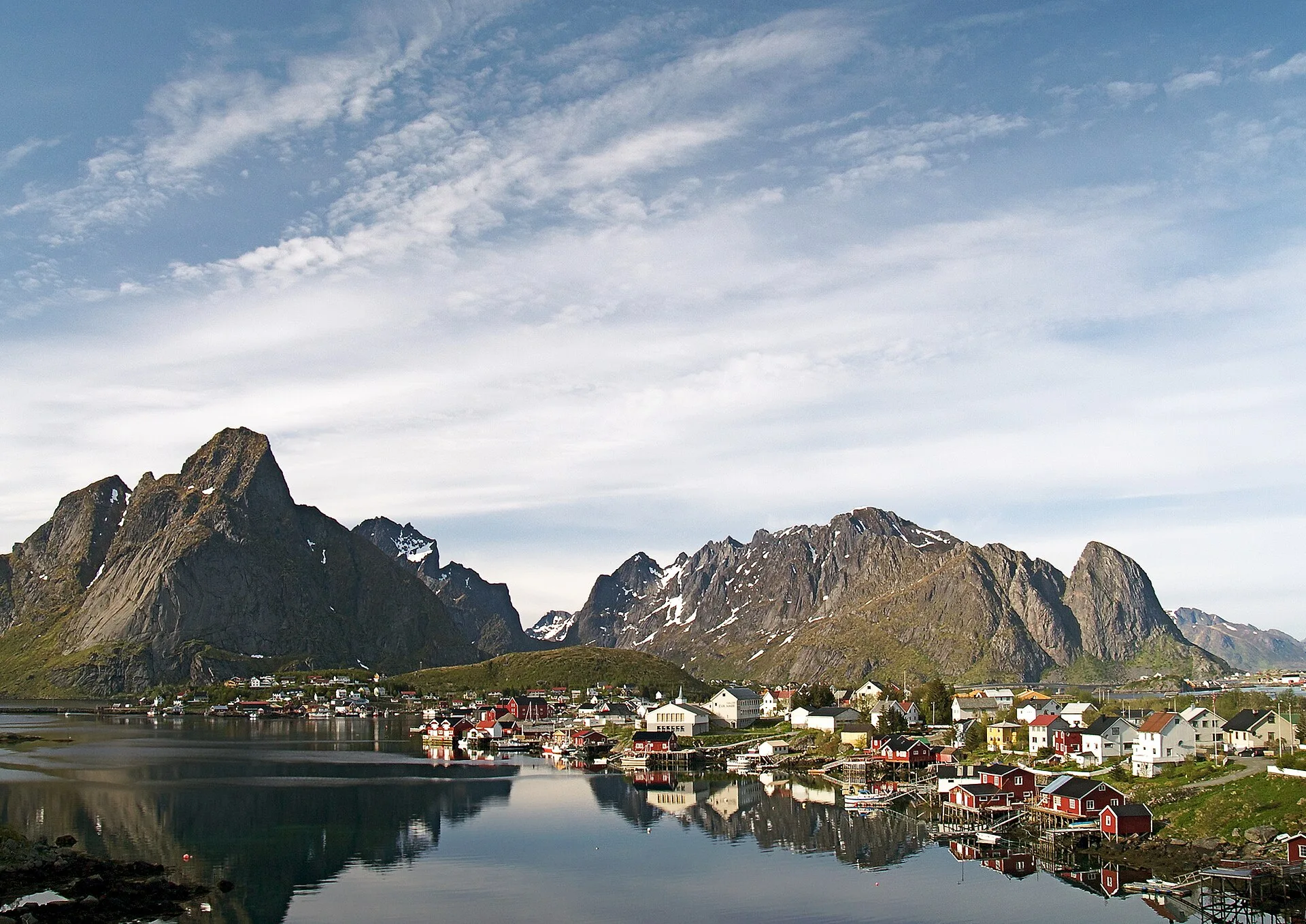
Without a car: stay in the center of Svolvær and book around the meeting places
Svolvær is the simplest three-day base without a car, with harbour, buses, dining and many activities potentially within walking distance. Check the exact address and walking surface from the stop: a property can use the town's name without being central. Find the last return service before planning an evening in Kabelvåg or Henningsvær.
Spend day 1 exploring the centre and organising practical details. On day 2 choose an activity with a central meeting point and confirmed finish time. Day 3 can include a bus to Kabelvåg or an activity in Svolvær, only if the return fits your onward departure. Search Entur and Reis Nordland for each travel date.
Do not build a car-free plan around remote beaches, many photo stops or trailheads without reliable transport. A guided tour with transport may cover several places; check what is included. Arrange taxis in advance, rather than assuming one will be available if you miss the last bus.
Adapt the three days to daylight, ground conditions and opening hours
In summer, daylight is long, but capacity and traffic are under pressure. Book accommodation and one priority activity early, park legally and avoid using light nights as a reason for not getting enough sleep before your mountain trip. Spring and autumn provide transitional conditions; the elevation may have snow or ice even when the center looks bare.
Simplify the route in winter. Keep one base, plan short outdoor outings and let road conditions, wind and daylight guide you. Mountain walks require winter skills and an assessment of natural hazards. Northern lights are never guaranteed; longer darkness does not help beneath thick cloud.
Outside the main season, check restaurant days, museum, activity and bus before booking. A quieter period may have fewer open offers. Build at least two indoor options and choose flexible bookings when weather or connection can change the day.
Book what makes the three-day plan reliable
First, you lock the arrival and departure. Then you choose east or west and one accommodation with the right room, transport and cancellation. Then you book one weather-sensitive main experience early in your stay if the conditions give a real opportunity to move it. Finally, you reserve one important meal.
Wait with beaches, short site trips and views until the weather and day shape are clearer. Save official transport, traffic, weather and operator links instead of screenshots with old times. Share the plan with the travel companion, including what will disappear first if the arrival is late.
Three good days doesn't need an optimization spreadsheet. They need a clear base, one main experience per day and the ability to replace a familiar motif with something that actually works. That's how the route beats a longer list on quality.