The basic system that works all year round
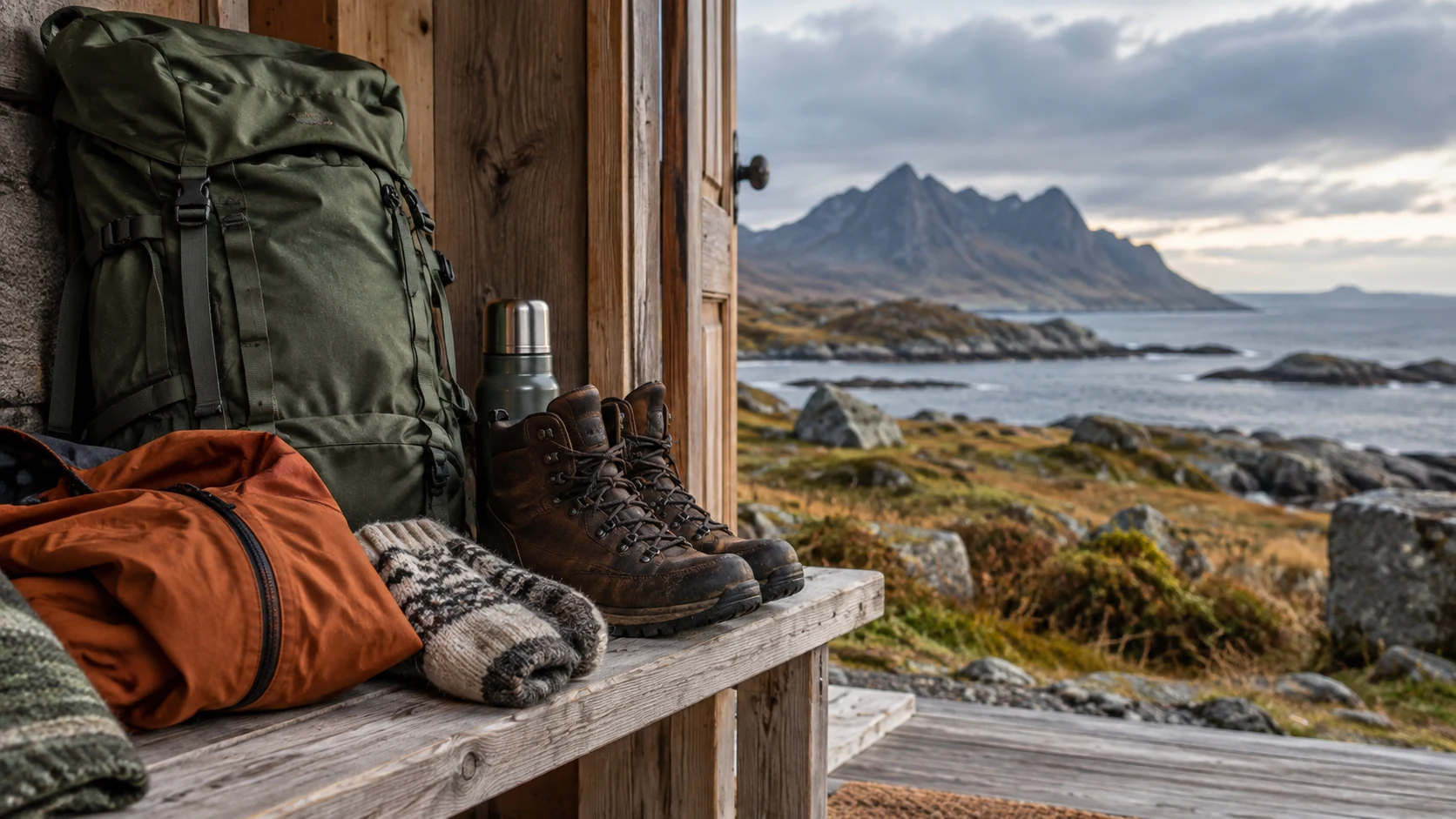
- Moisture-transporting inner layer close to the body.
- Wool or other warm intermediate layer that can be taken off and on.
- Wind and waterproof jacket with hood.
- Waterproof pants or shell pants that fit over the layers.
- Hat, buff and gloves - also on summer trips.
- Extra socks and a set of dry spare clothes in a waterproof bag.
Cotton can feel comfortable in calm weather, but dries slowly when wet. For active days, wool or technical materials are more robust. Pack clothes that work together; three mediocre layers can be more useful than one very warm jacket you can't regulate.
Test mobility and waterproofness at home. A jacket that doesn't cover when you raise your arms, or trousers that don't go over your shoes, becomes annoying when the weather first changes.
Summer and bright nights
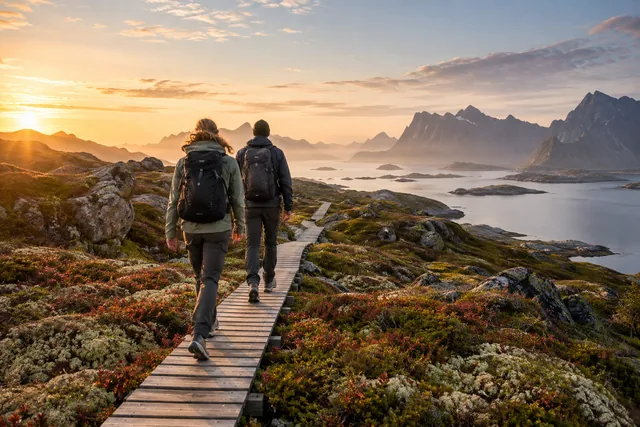
Summer still requires windproof and waterproof clothing. The temperature by the sea and on an exposed ridge can be experienced as far lower than in a warm fishing village. Bring sunglasses, sun protection and a cap, but don't replace warm layers with summer clothes.
Bright nights can shift the circadian rhythm. A sleep mask is useful if the room is not well darkened. If you are going camping, your sleeping bag and sleeping mat must be chosen according to the expected night temperature and humidity - not just the day's maximum.
The amount of mosquitoes varies with location and weather, but simple insect protection can be useful in sheltered areas. A small towel and swimwear allow for a sauna or a short sea bath, but cold water requires caution.
Spring and autumn: wetter weather and greater temperature variation
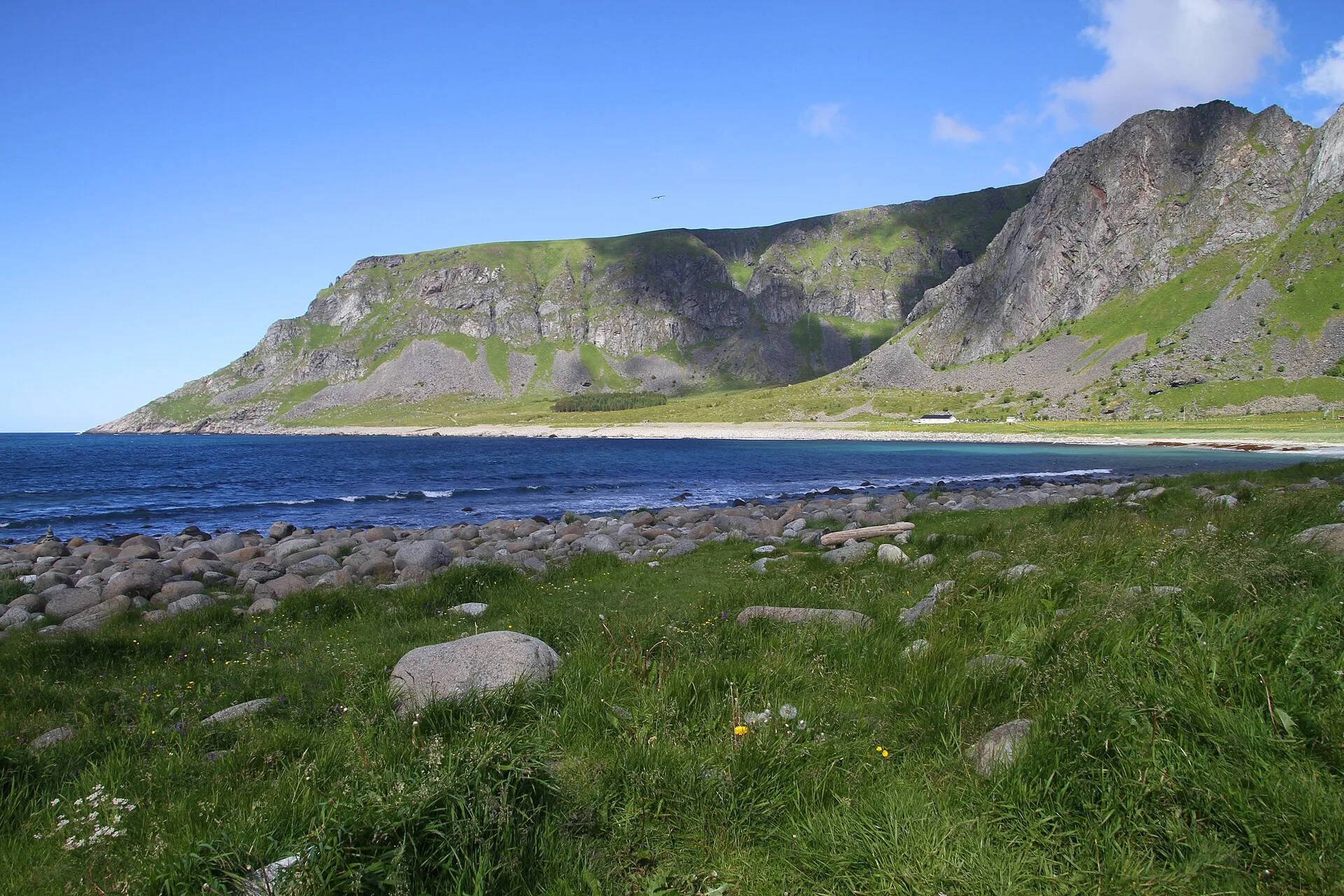
In the transitional seasons, you should prioritize waterproofness and an extra warm layer. Wet paths, mud and changing snow levels can make footwear more important than the air temperature. Gaiters can help on muddy or snowy trips, but they do not make a demanding route safe.
Bring a reflector or light when darkness returns. A headlamp belongs in the rucksack even if the trip is planned for daylight. Batteries drain faster in the cold; keep spare close to body or well packed.
An extra pair of shoes is handy if the main shoes get soaked. The accommodation does not necessarily have a drying room or shoe dryer, so check the facilities if you envision several active days.
Winter: warmth, visibility and spare supplies
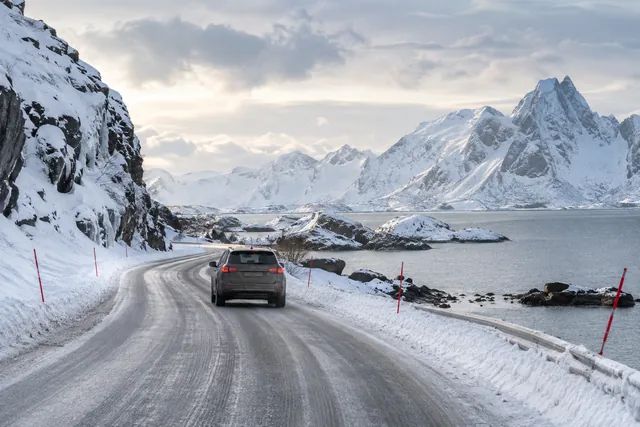
Start your winter packing with warm base layers, an insulating mid-layer and outerwear that blocks wind and precipitation. Add warm mittens, spare gloves, a thick hat, a neck warmer and well-insulated footwear. Studded shoes or traction grips can help on icy paths, but are not a general solution for steep mountains or avalanche terrain.
Have a headlamp, reflector and charged phone. A power bank should be stored so that it does not get unnecessarily cold. By car, you should have enough clothes and food to wait, not just to walk from the car park to the hotel.
If the activity requires snowshoes, skis, crampons, a life jacket or avalanche equipment, the equipment and skills must suit the specific activity. Hire or use a local guide rather than improvising.
This should be in the day trip bag
- A map or downloaded route, and a charged phone.
- Headlamp regardless of the expected return time.
- Extra warm layer, hat and gloves.
- Food, water and some reserve.
- Simple first aid and personal medicines.
- Wind/rain protection and waterproof bag for electronics.
- Seat pad or light emergency protection depending on the length of the trip.
Carry more supplies for longer, more exposed routes and according to the season. A short walk in a fishing village and a mountain hike without mobile reception have different requirements. Tell someone your plans for longer walks, and turn back before you rely on emergency supplies to justify continuing.
Camera, children and things you can leave at home
For photography, you should prioritize rain protection, extra battery, cleaning for salt and a solution that means that the equipment is not left visible in the car. Tripods should never block a road, path or private area. Drones require their own control of rules, zones and considerations.
With children, you need several sets of dry spare clothes, hot drinks, snacks, mittens that actually fit and a plan for a quick return. Lifejackets and other safety equipment must fit the size and activity; the operator must confirm the requirements.
You can often leave "just in case" equipment at home if it doesn't fit the plan. Do not pack technical mountain equipment without the competence to use it. Instead, use the space for dry clothes, simple food and the safety margin you actually understand.