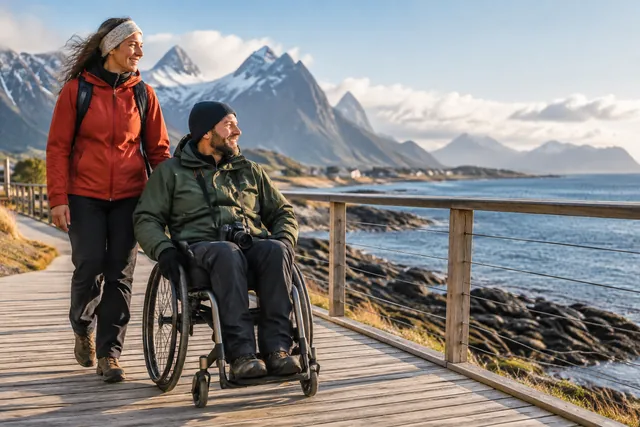
Parking and traffic are also part of protecting nature
Illegal parking can block emergency services, buses, refuse collection, farm work and local traffic. A wide verge is not automatically a parking space, and passing places are only for vehicles to pass each other. Follow signs, payment requirements and local instructions, even if a map or social media post marks a popular stopping point.
Do not step into the road to take pictures or leave car doors or tripods in the path of traffic. Drive steadily, leave space for cyclists and let faster traffic pass where it is safe. Side roads often cross residential and farming areas; reduce your speed and keep noise down.
If the car park is full, choose your plan B. Making your own parking space off the road is not a creative alternative.
Stay on the trail – even when it is wet
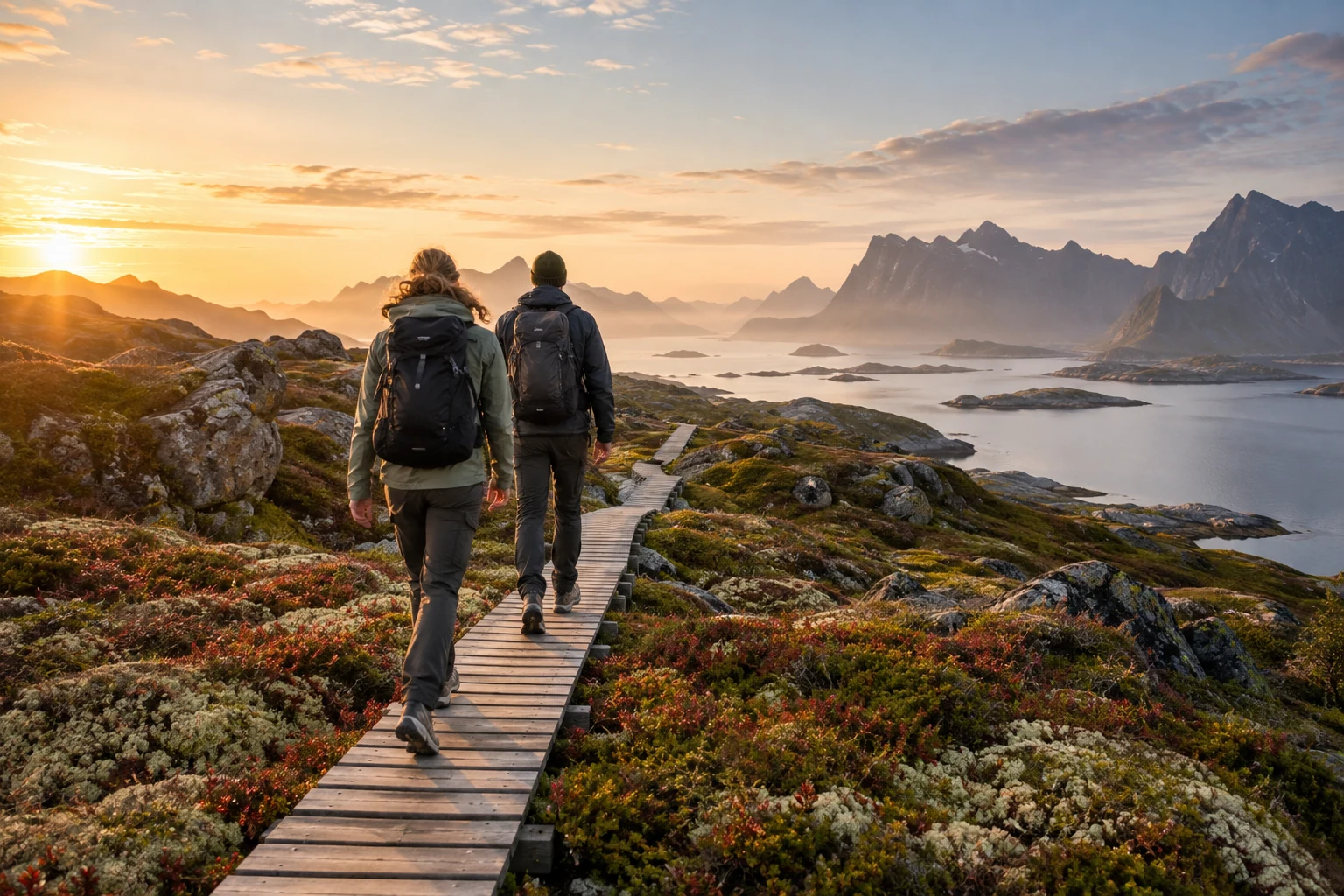
Walking around mud widens the trail and damages vegetation. Wear footwear suited to the ground, stay in the middle of existing paths where it is safe, and choose another walk when the ground is too vulnerable. Do not build cairns, move stones or create new shortcuts.
Keep your distance from birds, grazing livestock and other wildlife. Follow current leash requirements and local rules for dogs. Do not use drones or close-up photography to disturb animals, residents or other visitors for the sake of a picture.
Protected areas may have additional rules. Read signs and information from the managing authority before camping, lighting a fire or flying a drone.
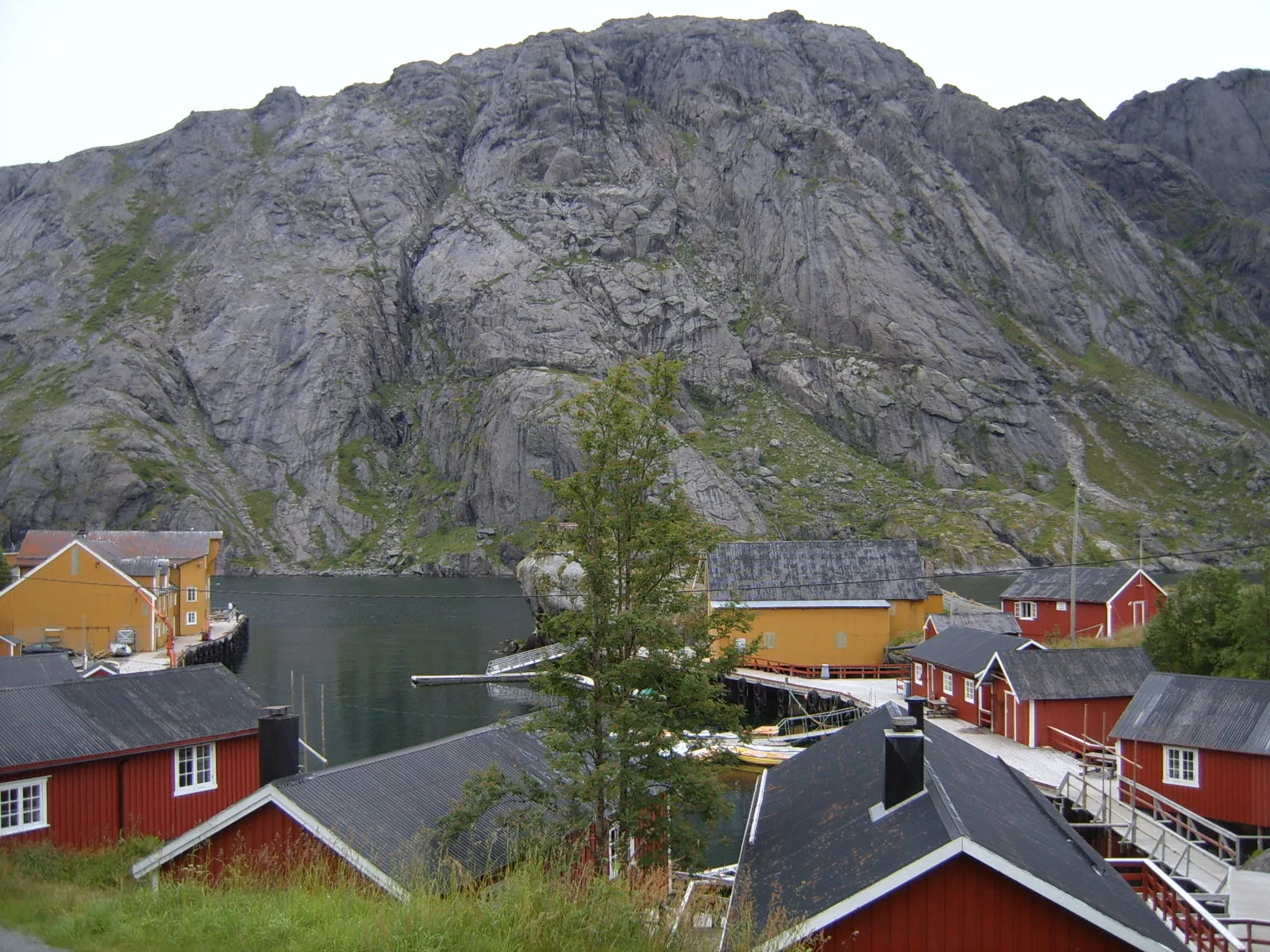
Camping and the right to roam: consider local capacity
The right to roam offers important freedoms, but also comes with a duty to be considerate. Respect required distances from occupied houses and cabins, cultivated land, local bans and limits on the length of a stay. In busy areas, established campsites should be your first choice because they provide toilets, waste facilities and fewer conflicts.
A motorhome or van is a vehicle, not a tent. Parking rules and signs still apply even if you are only sleeping for a few hours. Do not empty grey water or toilet waste anywhere except an approved disposal point, and do not put furniture or cooking equipment where it obstructs access.
Check an up-to-date camping map and local rules before your trip. Local arrangements can change faster than general travel articles.
Use toilets and take all your waste away
Plan toilet stops just as you plan fuel and food stops. Use established toilets and do not leave paper, wet wipes or hygiene products outdoors. Wet wipes break down slowly and belong in the rubbish.
There may be no bin at a remote stop. Keep a sealed bag in your backpack or car and take your rubbish to an approved disposal point. Food scraps are waste too: they can harm animals and change their behaviour.
Do not leave full bags or containers beside a bin. When it is full, your waste is still your responsibility.
Check fire and drone rules every time
Respect the general fire ban and local assessments of fire risk. Wind can make even a small flame difficult to control. Use designated sites when fires are allowed and extinguish them completely. Disposable barbecues can leave lasting marks on fragile ground.
Drone flights must comply with aviation rules, airspace zones, privacy requirements, protected-area rules and local considerations. A spectacular picture does not take priority over the peace and safety of people, birds or rescue helicopters. Check official drone maps and rules before every flight.
Other drones in the air do not mean flying is legal. Each operator is responsible for their own flight.
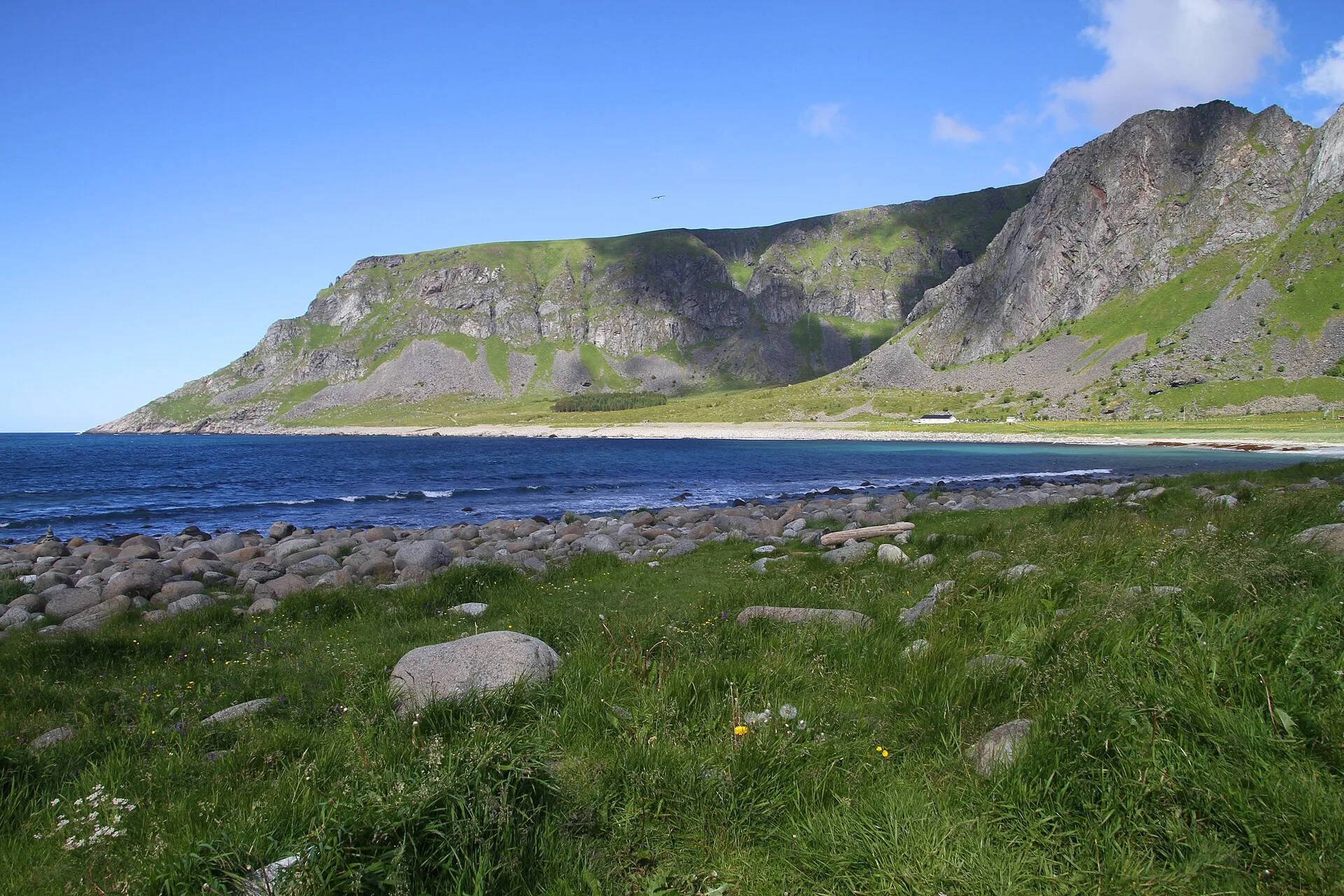
Support local communities without expecting access to everything
Use local shops, restaurants, accommodation, museums and guides. Pay for parking and facilities when required: this helps fund the services that make your visit possible. Stay several nights in one place rather than making only a quick photo stop if you want to contribute more locally.
Jetties, gardens, quays and houses may be private even if they look like attractions. Ask before entering, taking close-up photographs or using a place as a backdrop. Keep noise down in the evening and early morning.
Share responsible choices and good local businesses, not just “secret” spots. Promoting vulnerable places without context can send large numbers of visitors to locations without parking, toilets or resilient ground.