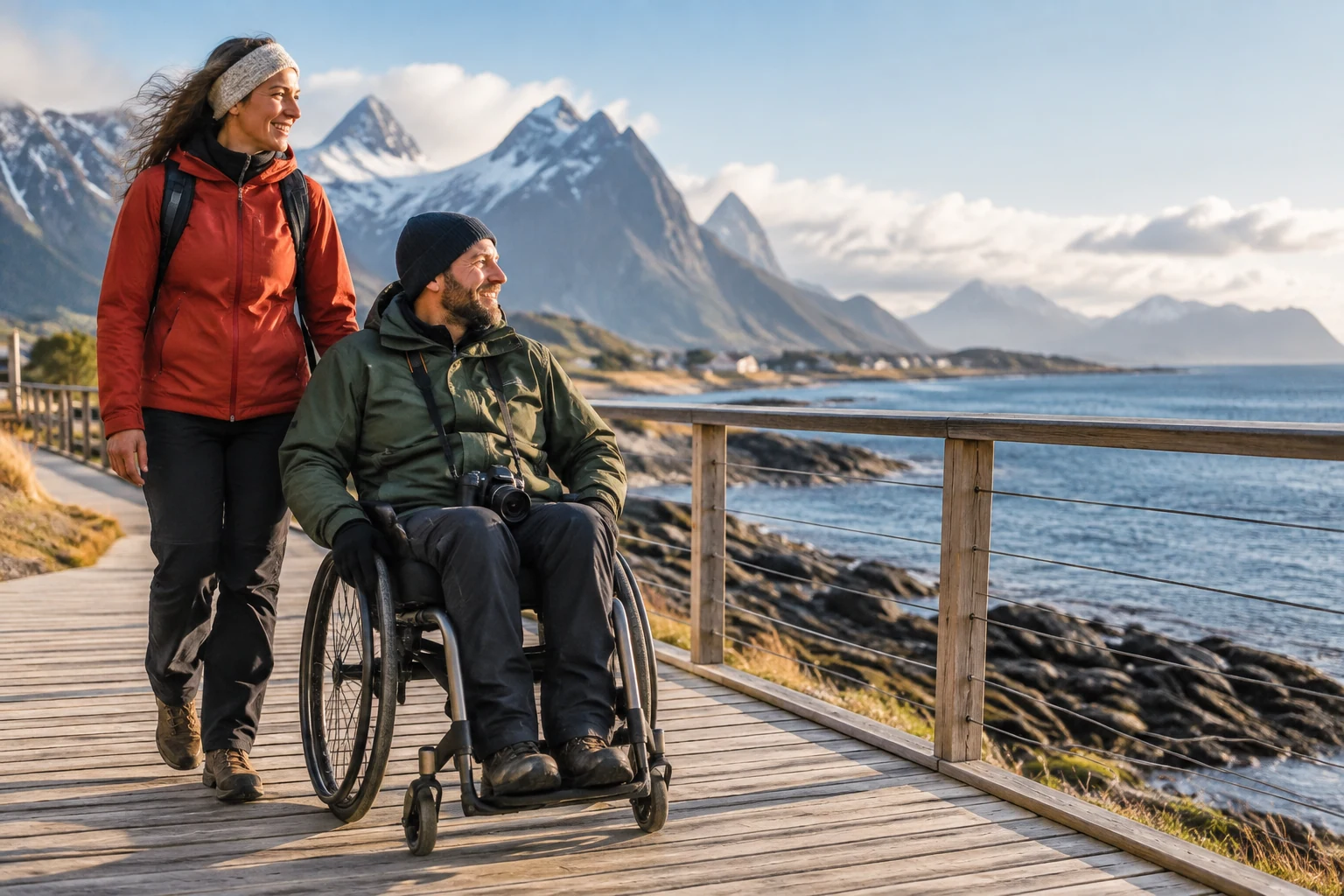
Create a short needs profile that the supplier can answer precisely
Describe the width of the chair, whether you use a manual or electric wheelchair, whether you need a transfer hoist, assistance, medical equipment, rest and how far you can move. Include whether a companion must be in the same room and whether cold, wind or uneven ground affects the capacity.
Turn the needs into questions: Are there steps from parking to reception and rooms? What is clear door width? Is the shower step-free, and is there a fixed or movable shower chair? Is there room for lateral movement by the toilet and bed? How high is the bed? Can a fire alarm be perceived with visual or hearing impairment?
Ask for measurements and new pictures when the answer is unclear. "It usually goes well" is not a documentation. Agree in writing which room is reserved and who can be contacted in the event of late arrival.
Check the entire transport chain, including the transitions
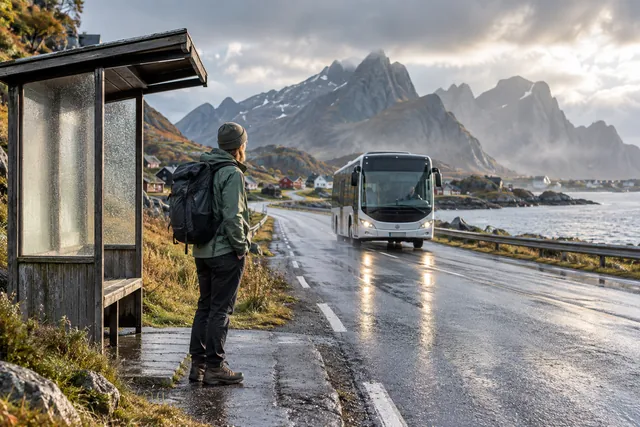
Flights, ferries, buses, taxis and rental cars may each offer accessible options without the connections between them being suitable. Tell the operator about your mobility aid, its dimensions and the assistance you need within their required notice period. Confirm whether you can remain in your wheelchair, how boarding works and the rules for batteries and luggage.
Look at the last kilometer from the stop, quay or airport to the accommodation. A short map distance may have gravel, inclines, lack of pavement, winter conditions or strong winds. Ask the accommodation to describe the actual route and possible pick-up.
Have a telephone number for the operator and accommodation, but do not base the entire plan on spontaneous assistance. Enter a time buffer for separate tickets and sea transport subject to weather. If an aid is critical, clarify the repair, charging and back-up plan before the trip.
Book the room, not just the hotel name
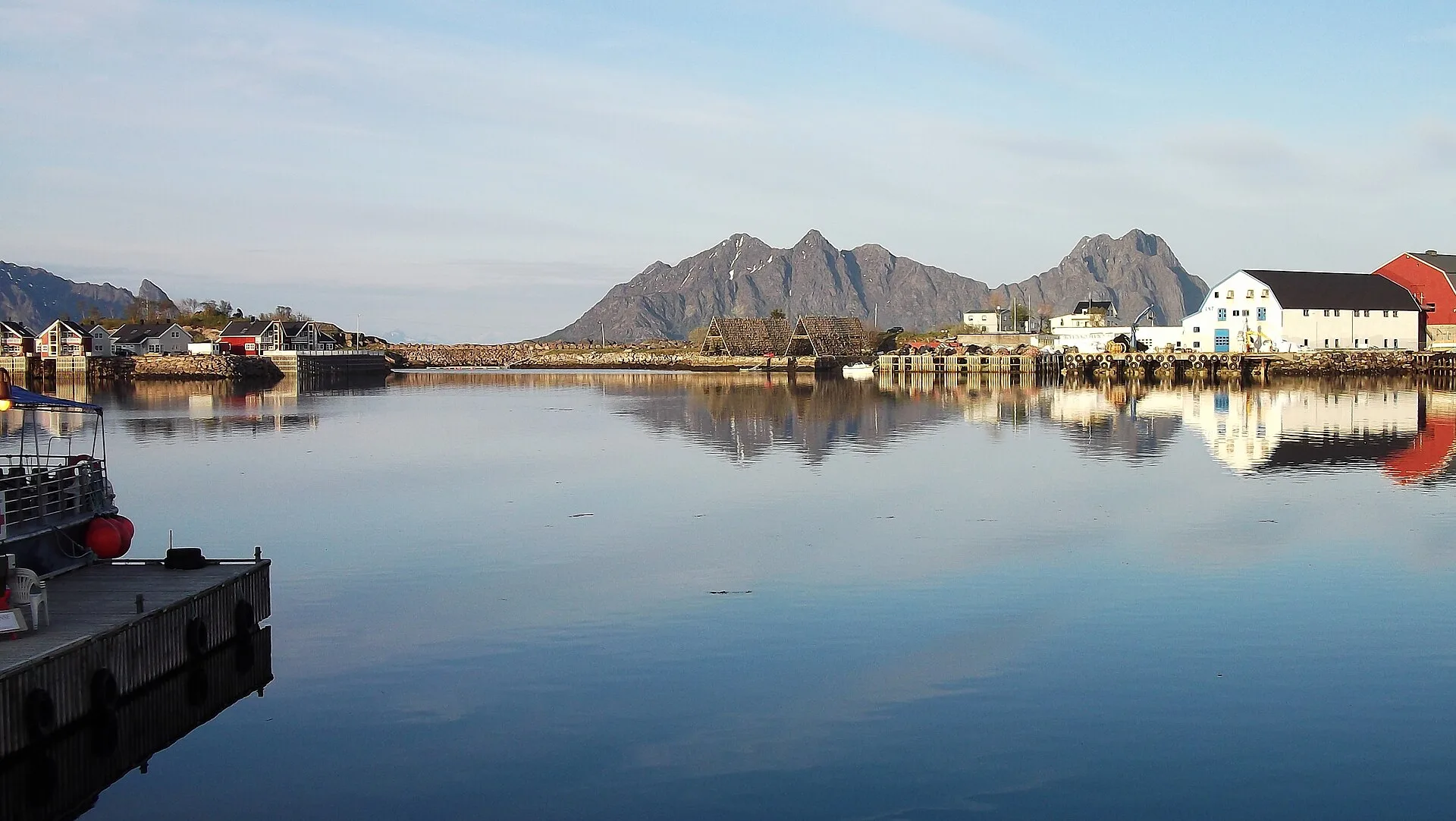
A hotel can have one adapted room and many rooms with stairs. A rorbu facility can have level differences between parking, reception, wharf and unit. Ask for a room number or room category and get confirmation that it cannot be changed without contact.
Check the entrance, thresholds, door width, bathroom, shower, handrail, turning area, bed, kitchen, balcony and evacuation solution as required. Ask about carpet, smooth floors and night lighting. Pictures from the order page may show a different unit.
Check the entire route from parking to the entrance: distance, slope, surface and space to transfer out of the side of the vehicle. In winter, ask who clears snow and grits icy surfaces. Choose flexible booking terms if an unconfirmed detail could make the room unusable for you.
Choose experiences according to surface, toilet and real assistance
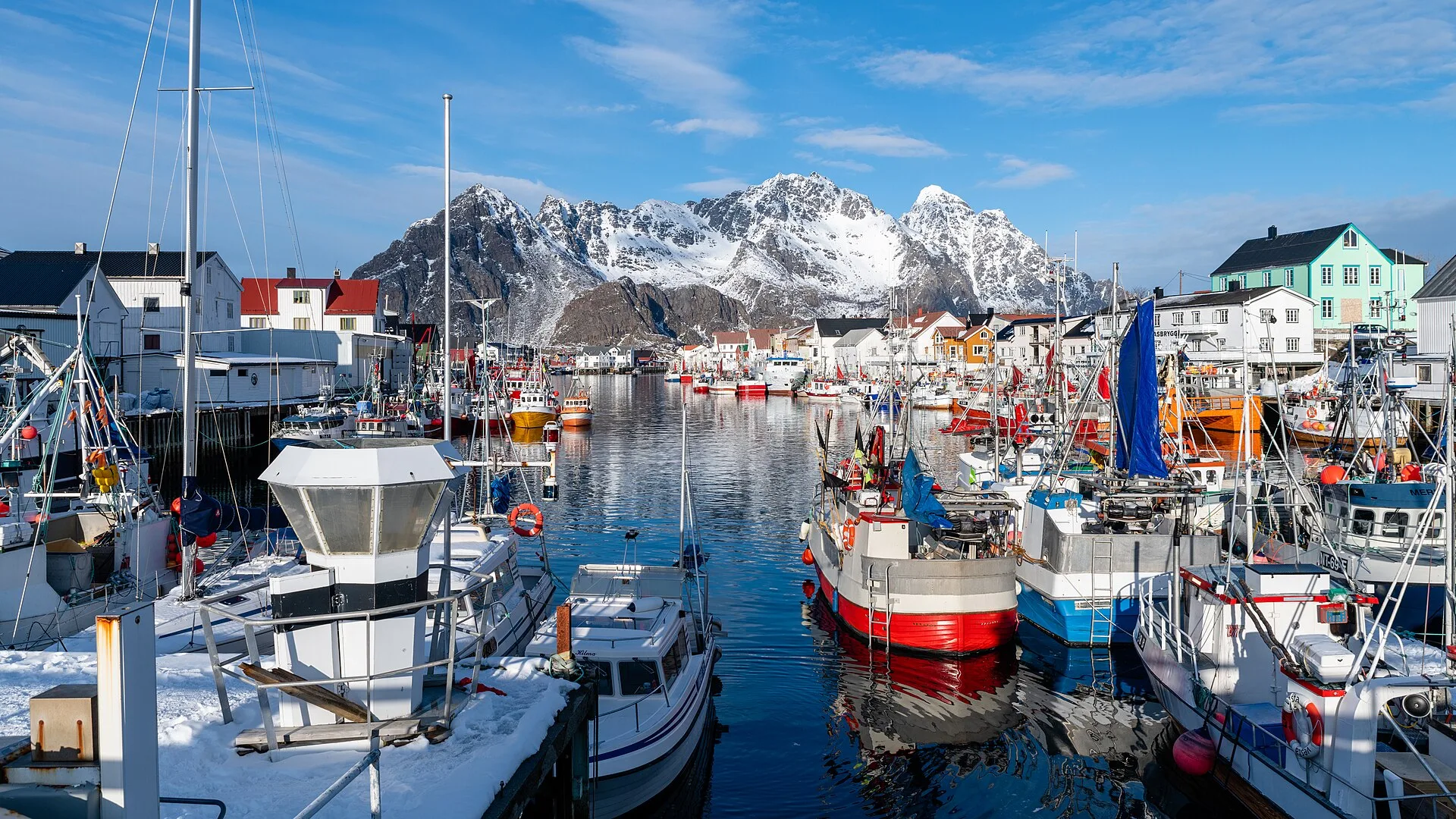
Fishing villages, views from the road, museums, galleries, dining and some beaches can provide strong experiences without a mountain path. But piers can have edges, gravel and steep ramps, and historic buildings can have restrictions. Call the place directly and ask about the entire route from parking to experience.
For guided activities, ask about transport, ramps, transferring to a seat, safety equipment, toilets, duration and the possibility of stopping early. Send measurements and your requirements before paying. “Suitable for everyone” is not enough if boarding involves stepping over a high boat side or the meeting point has stairs.
Visit Lofoten's experiences with wheelchairs can provide ideas, but they are not a guarantee for your chair or current conditions. Use them as a starting list and verify each proposal in your own plan.
Haukland shows why fresh, local information is valuable
Vestvågøy municipality publishes updated information about Hauklandstranda visitor centre, facilities, parking and accessible parking spaces. The municipal page is a better starting point than an old travel post, but weather, sand, snow, capacity and temporary changes must still be checked.
Decide what you want to do: enjoy the view from the visitor centre, use the toilet, spend time near the beach or travel onto the sand itself. Each needs different equipment and assistance. Ask about surfaces and distances. If uncertain, have a companion check the route before taking the wheelchair onto it.
Wind and cold can reduce the range and battery. Have warm layers, chargers and an easy return. A short, well-planned visit is better than squeezing the whole beach into the plan.
Confirm an accessible backup plan before the weather changes
Choose at least one indoor option near the base and confirm the entrance, toilet and opening in advance. A museum, gallery, cafe or restaurant only works as plan B if the transport and the specific building are suitable. Save contact information and a short list of needs so you can call efficiently.
Plan rest as part of the day. Wind, cold, rain and many transitions can use more energy than the distance suggests. One main experience with a good margin often gives more quality than three uncertain stops.
Ask for an updated confirmation shortly before the trip and on the same day in case of bad weather. Employees may have new knowledge about lifts, snow removal or temporarily closed toilets. Share corrections with the editors so we can improve the questions, without generalizing one experience to all.