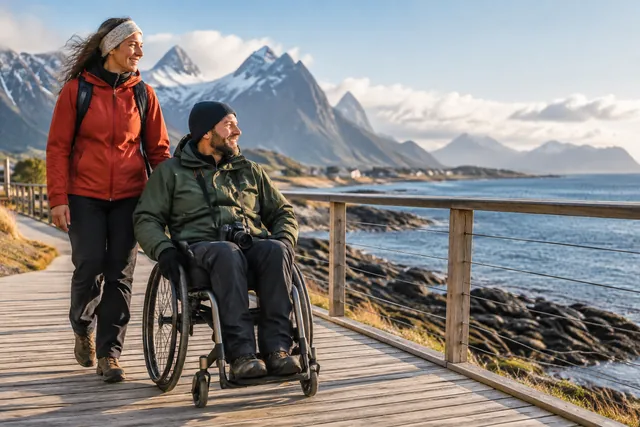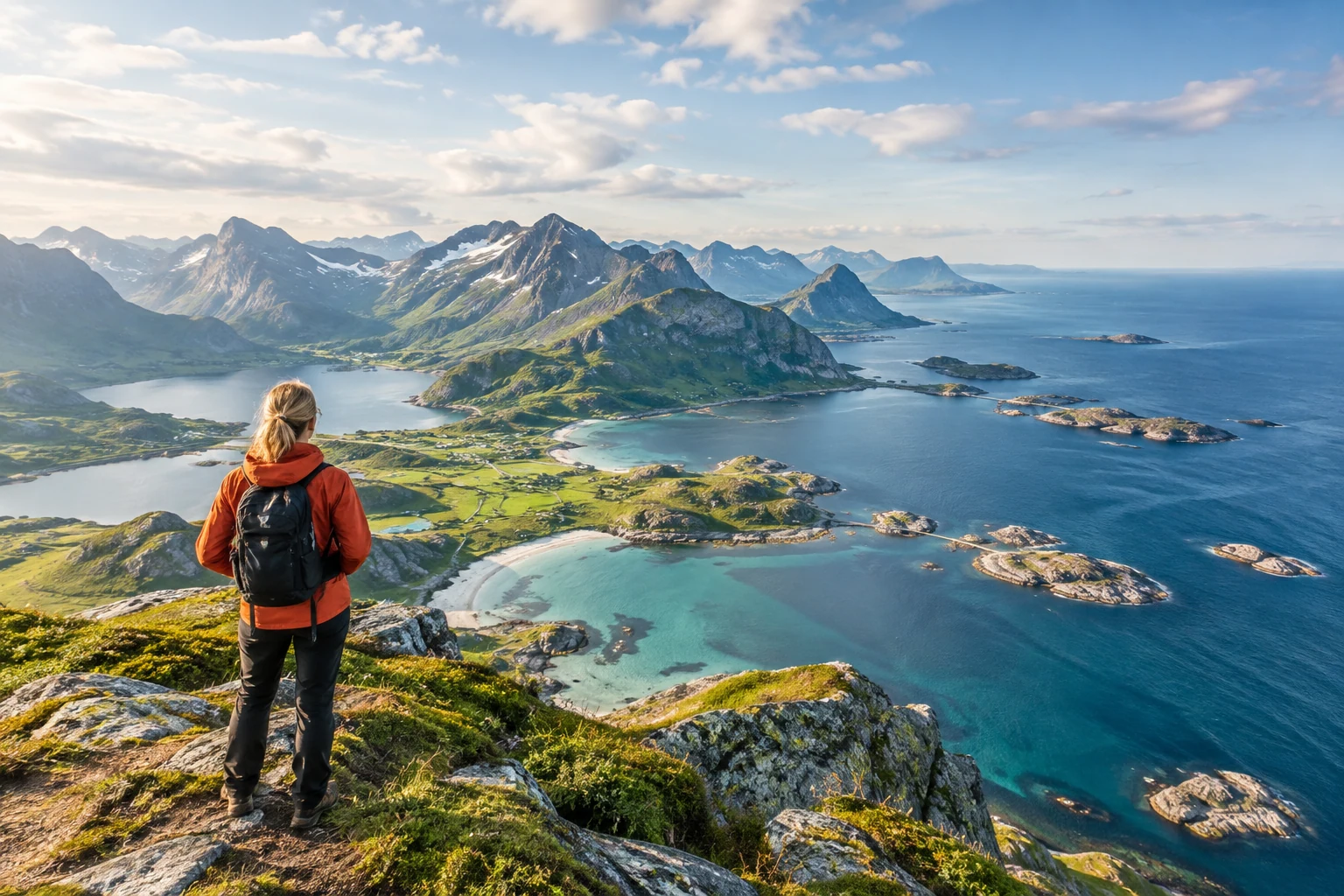
Determine the framework before creating the wish list
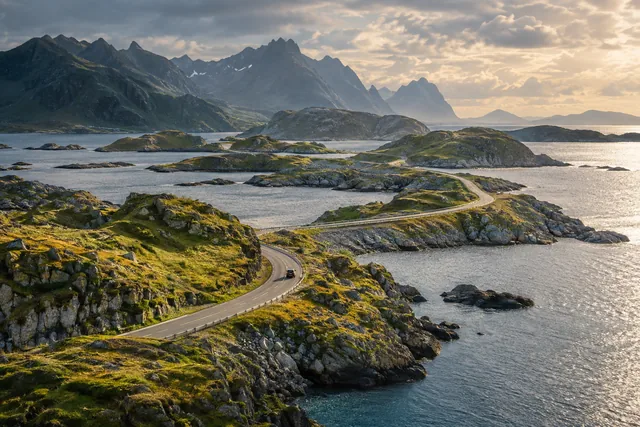
Lofoten is a long island kingdom, and the roads are part of the experience. The distance on the map says little about how long the day feels when the traffic is slow, you stop for photos or the weather changes. A tight list with Reine, Henningsvær, beaches and a mountain trip on the same day often becomes a car holiday with a poor margin.
Start with three questions: How many full days do you have? Are you coming via Evenes, Bodø/Moskenes or a local airport? Is the trip primarily nature, mountain walks, food, photography or guided activities? Once these answers are clear, both bases and transport become easier to choose.
How many days do you need?
- 2-3 days: choose east or west, and avoid switching bases every night.
- 4-6 days: use two bases and move once.
- 7–10 days: divide your stay into east, center and west, but keep one open day.
Choose a base according to the journey you actually want
Svolvær is the easiest base for a car-free or short stay, with boat trips, restaurants and transport within walking distance. Henningsvær suits travellers who value fishing-village life, art, food and quiet evenings more than transport connections. Ballstad and Leknes are convenient central bases: Ballstad has a waterfront setting and fishermen's cabins, while Leknes offers an airport, shops and straightforward travel connections.
Reine, Hamnøy and Sakrisøy are the right choice when the fjord landscape and Moskenesøya are the main goal. They are not necessarily the best only base if you also want to spend a lot of time in Svolvær and Henningsvær. Sørvågen is a practical option close to western tours and Moskenes, while Kabelvåg can provide a quieter eastern base near Svolvær.
One or two bases?
Staying in one place means less packing, but can mean repeated drives. Two bases make east and west easier to reach. Keep the moving day free of fixed-time activities, allowing for flexible stops, groceries and plenty of time.
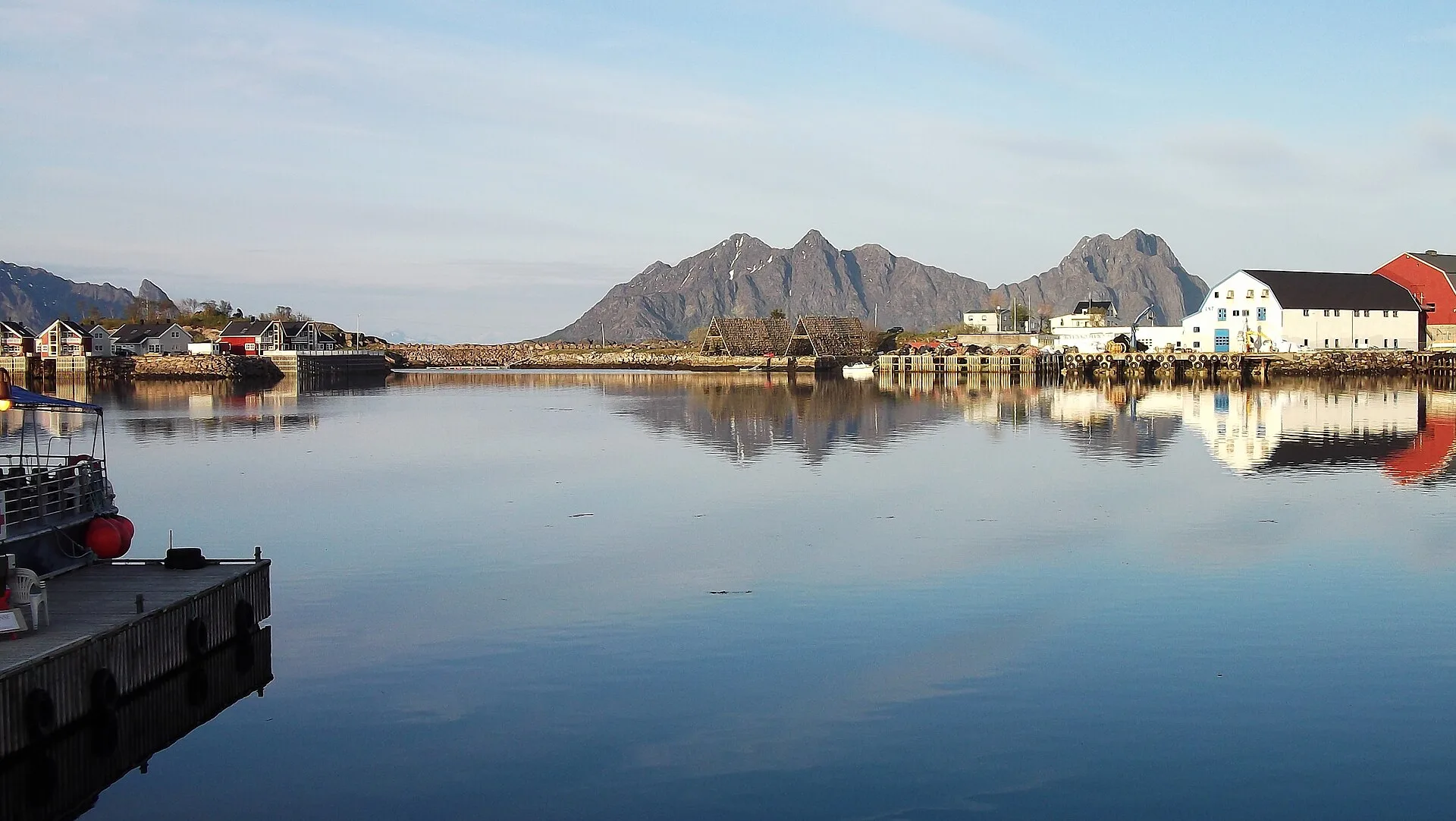
Compare arrival and transport as one chain
Evenes provides many air connections, but lies outside Lofoten itself and requires further transport. Svolvær and Leknes have local airports and a shorter route to a base, often via a stopover. Bodø can be combined with a flight, fast boat or ferry onward, depending on where you are going and what date you travel. Neither solution is always best; compare total travel time, waiting time, baggage and last connection.
By car, you get the greatest freedom to beaches, smaller fishing villages and starting points without frequent public transport. Without a car, you should build the trip around Svolvær and one western public transport point, not try to imitate a car route. Use the guide to Lofoten without a car and search Entur on the actual date.
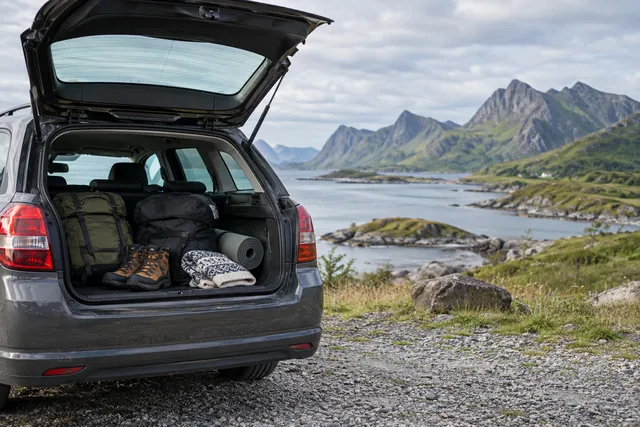
Choose your rental car's size and powertrain for the season, luggage and your experience, not because the biggest car seems safest. A car whose dimensions are easy to judge is often easier on narrow roads and in car parks. In winter, judgement, tyres, visibility and weather matter more than labels such as SUV.
Let the season determine the content of the trip
Summer brings very long days and the best access to many trails, but also the most traffic and the greatest pressure on parking and accommodation. Autumn brings darker evenings, autumn colors and the possibility of northern lights, while wind and precipitation may require greater flexibility. Winter is about short or dark days, changing driving conditions and experiences that work with snow, wind and limited daylight.
Spring is a transition: daylight returns quickly, but snow can remain in the mountains long after the lowlands are bare. The calendar alone cannot tell you whether a walk has summer conditions. Check the route description, local ground conditions, weather and Varsom before setting off.
Northern lights cannot be guaranteed in advance. Darkness and clear skies are needed, and cloud is often the main obstacle. During the midnight sun and bright summer nights, check that your room has blackout curtains if you are sensitive to light when sleeping.
Book in the right order
- Confirm arrival and departure. Check the last connection and allow extra time for flights, ferries and long drives.
- Select areas and bases. Determine geography before comparing hotel names.
- Book accommodation. Compare room type, kitchen, parking, blackout and cancellation - not just the lowest price.
- Choose one or two main experiences. Add weather-sensitive activities early in your stay so that rebooking can be possible.
- Wait for the details. Beaches, short stops and smaller trips can be chosen when the forecast is better.
Restaurant capacity is limited in many places. Book an important dinner in advance, especially if the place is small or the trip falls in high season. The rest can be planned around the base, but always check today's opening hours in the official channel.
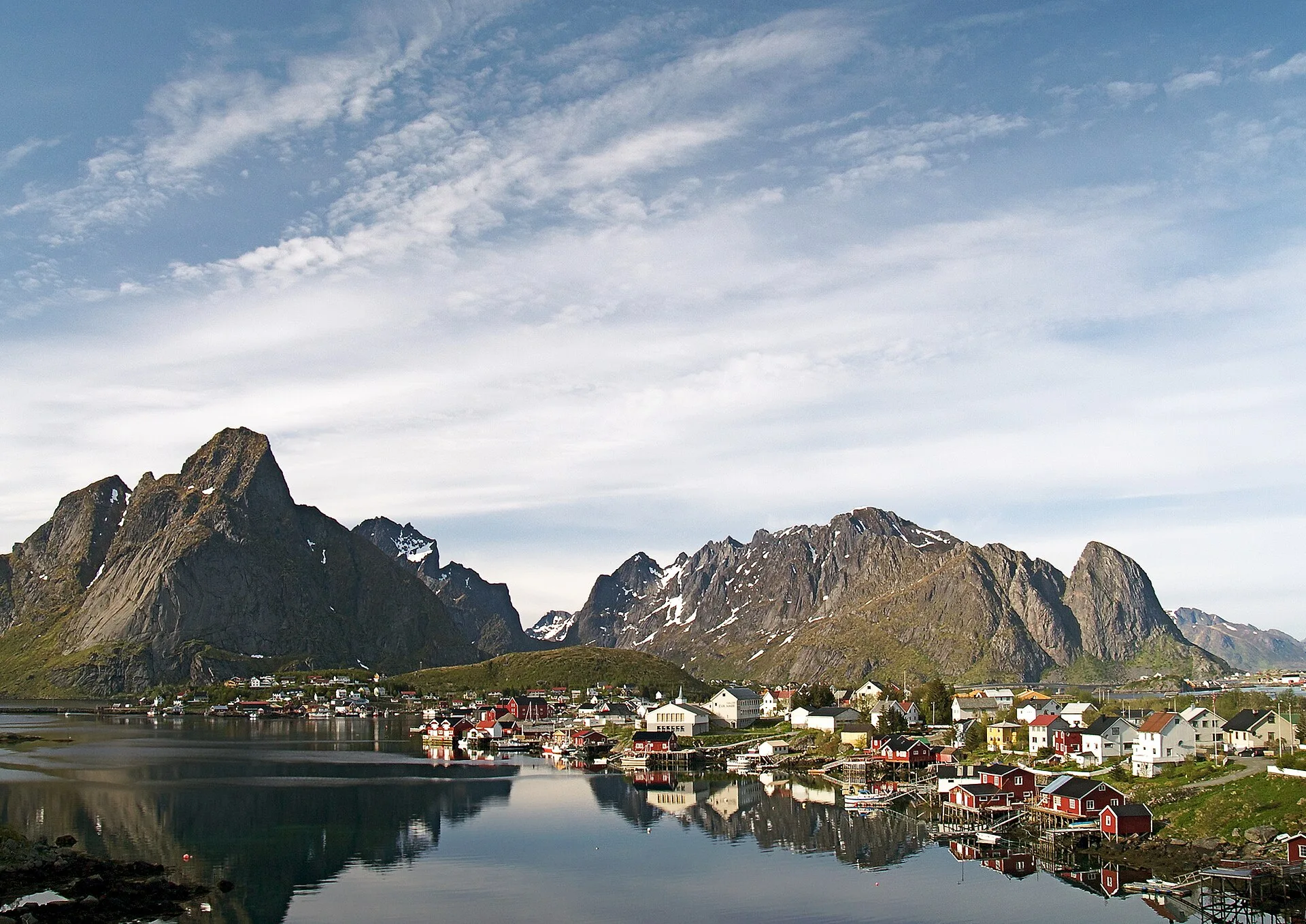
The most common planning mistakes
Too many highlights per day
Remove at least one third of the stops from the first draft. Lofoten rewards time on site more than ticked names.
A mountain trip without a plan B
Wind, visibility, wet rock, snow or the risk of avalanches can make the planned trip irresponsible. Have a shorter trip, museum, sauna, cafe or site trip as a full-fledged alternative.
To rely on general opening hours
Dining, museums and activities may change days and season. Check the official site on the same day, especially outside of summer.
Underestimating the day of departure
Don't put a long mountain hike, boat ride or driving leg in front of a departure you can't miss. Weather and traffic require a buffer.