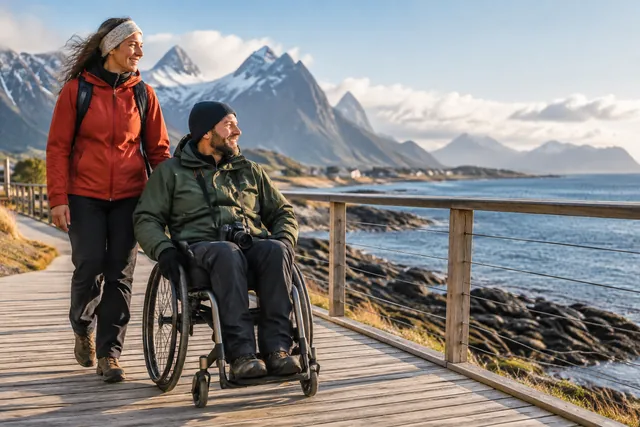
Choose base according to everyday logistics
With small children, a short distance to groceries, dinner, toilet and an indoor option is more important than the view from every window. Svolvær offers the largest overall selection and works well without a car. Kabelvåg can provide quieter surroundings close to family attractions. Leknes is convenient for trade and the airport, while Ballstad provides a seaside environment with a short drive to Leknes.
Reine, Hamnøy and Sakrisøy are strong landscape bases, but the distances between accommodation, shops, restaurants and activities must be controlled. A rorbu with a kitchen and separate sleeping area can be valuable for circadian rhythms and simple meals.
Limit the base changes. Each move takes time for packing, checking in and re-orientation, and can cost more than it saves in driving.
Adapt the experience to age and day shape
For small children, short fishing village trips, aquarium, museum, play areas, beach play at a safe distance from the sea and short boat experiences work when the operator approves age and conditions. School children can participate in several activities, but duration, toilet, seasickness, height and clothing must still be clarified.
Teenagers can enjoy kayaking, surfing, fishing, climbing or longer trips, but the product's minimum age and skill requirements apply. Don't let physical capacity alone decide; exposure, wet ground and the consequences of mistakes are more important than the number of kilometres.
Give the child a real choice between two good options. A day the child has influenced is often better than a long list made only by adults.
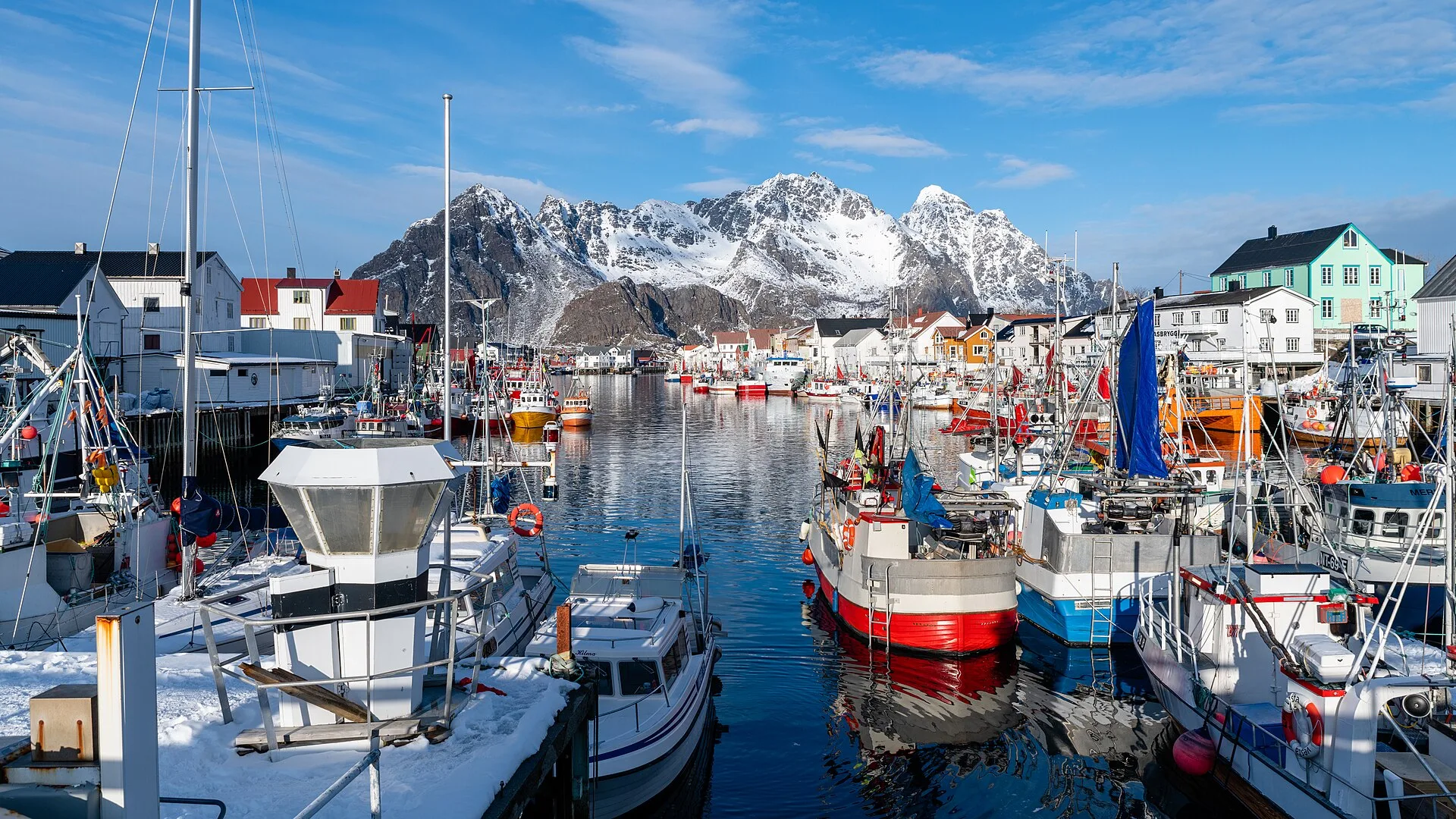
Mountain tours and beach trips require their own safety choices
Choose a walk that suits the least experienced member of the family. Start with a shorter route than you think you need, and turn back if it becomes windy, rainy or slippery, or enthusiasm fades. A child carrier changes your balance and catches the wind; a child sitting still will get colder than the adult walking. Use the route description, weather forecast and local conditions together.
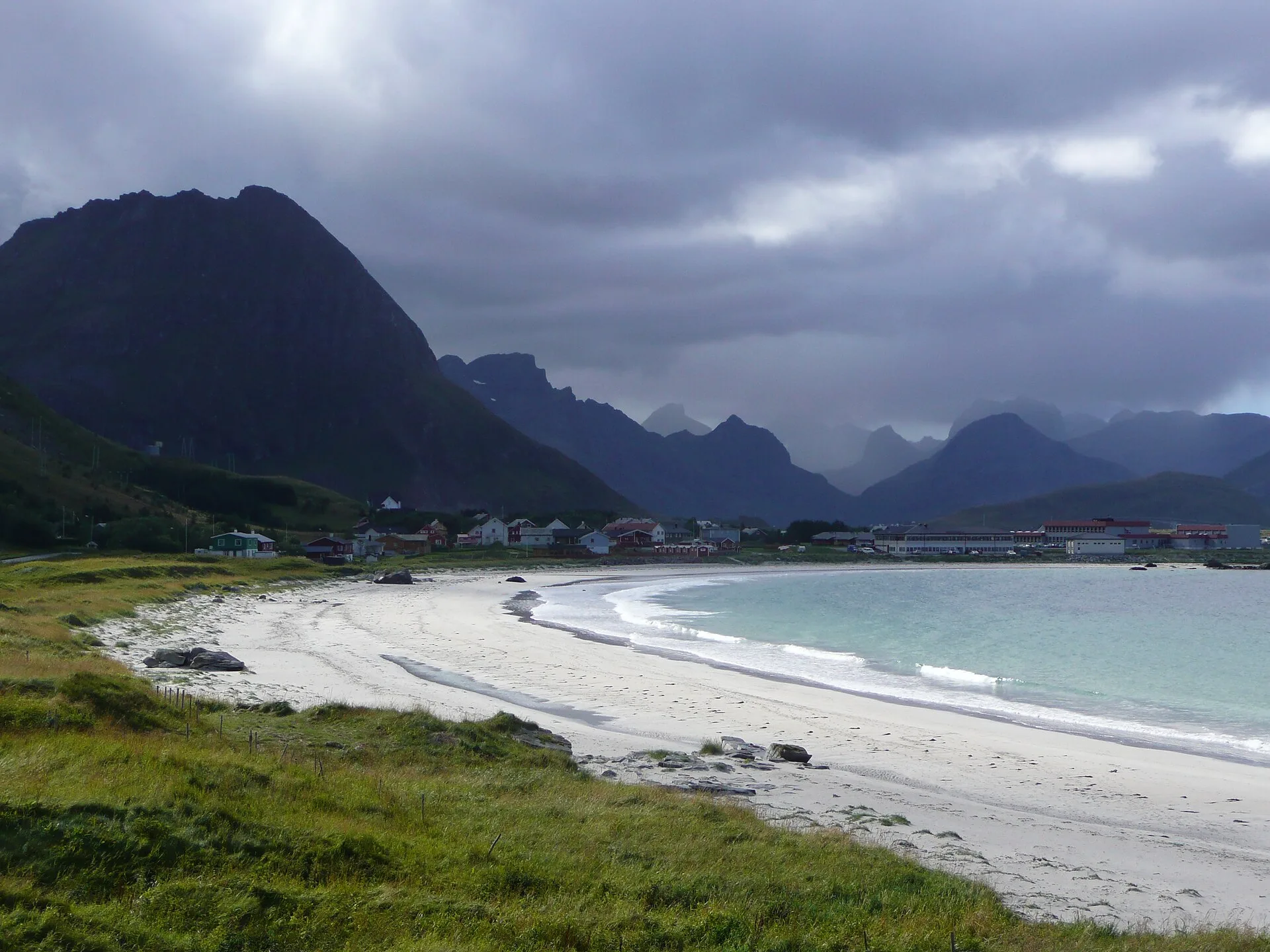
Waves and currents can be strong even when a beach looks calm. Keep young children within immediate reach near the water, and do not let games or photography distract you from watching them. Cold water leaves less time to react.
A visit to the beach does not necessarily mean swimming.
Ask the operator about more than the minimum age
Before a boat trip, kayaking, horse riding, surfing or another guided activity, check age, height or weight requirements, buoyancy equipment, duration, toilets, food, weather cancellations and the possibility of stopping early. Give the child's actual age; safety equipment must fit properly.
At sea, you should ask about clothing, seasickness and how long the trip is without land stops. For winter activities, you need to know how much time the child sits still. At museums and cultural sites, check seasonal opening and whether the activity requires advance booking.
A private or small tour can offer flexibility, but don't assume it's family-friendly without confirmation. Final assessment rests with the operator and the parents together.
Pack for changing weather, not perfect weather
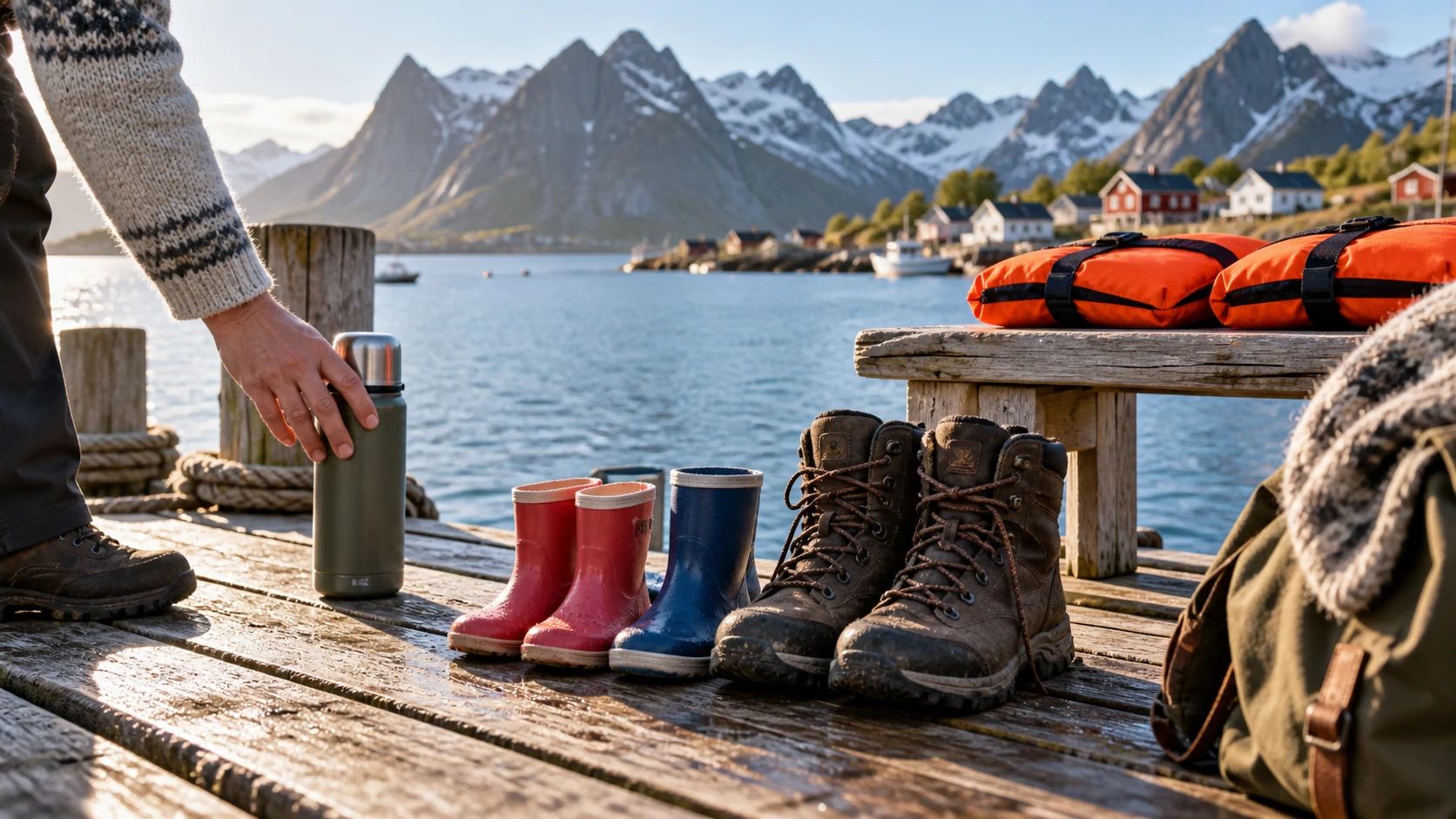
Keep dry spare clothes, extra socks, a warm jumper, windproof and waterproof layers, gloves or mittens and simple food within easy reach. Children cool down quickly when they sit still after an activity. Put spare clothes in a waterproof bag, rather than relying only on a rain cover for the rucksack.
Bring familiar snacks and water even on short trips. The restaurant may be closed, full or further away than expected. In the event of an allergy, you must clarify the ingredients directly with the venue and have a relevant reserve.
For car journeys, keep entertainment, a travel-sickness bag, chargers and clothes accessible without emptying the boot. A child seat must fit the child and car and meet applicable rules; confirm the arrangement with the car rental company before arrival.
A quiet five-day family plan
- Day 1: an easy arrival day, food shopping and a look around the local area.
- Day 2: family activity or museum in the east.
- Day 3: short beach and fishing village day depending on the conditions.
- Day 4: one guided activity confirmed as suitable for your family.
- Day 5: keep the day flexible for the weather, a favourite place or an easy walk.
With two bases, you move in one day without a fixed activity. On a rainy day, Lofotr or SKREI in Storvågan can be the main experience. SKREI opened on 30 June 2026 and brings together the Otolitten, Galleri Espolin, the Lofotakvariet and the Lofoten Museum; check which sections and family activities are open on the date.