Midnight sun, bright nights and local horizon
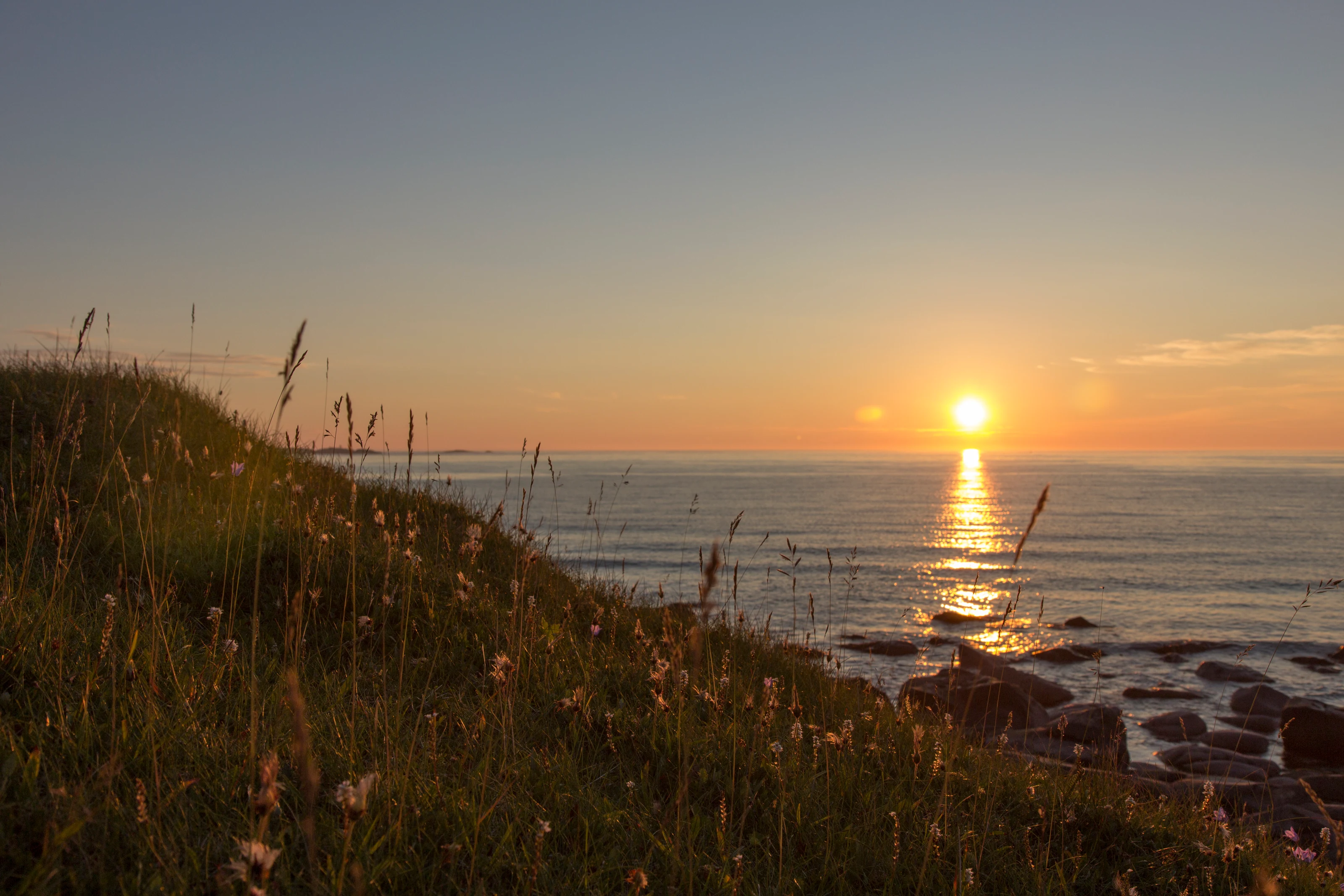
Midnight sun means that the sun's disc does not go below the astronomical horizon during the night. That doesn't mean you see the sun all the time. Mountains can hide it, clouds can cover the light, and a south- or east-facing bay can have a different experience than an open coast to the north and west.
Before and after the period with the sun above the horizon, Lofoten still has very bright nights. For many travelers this is just as valuable: the landscape can be photographed late, the evening feels long and it never gets really dark.
Use MET's solar API or a reliable solar calculation with date and coordinate. The distinction between "midnight sun" and "light night" is technical, but both require you to plan sleep and activity differently than at home.
Use calculation rather than a fixed marketing period
The start and end date depends on latitude, calculation method and the local horizon. Atmospheric light refraction can also affect when the sun's disc is perceived above the horizon. Therefore, a travel guide should not promise the same visible sun from all fishing villages on exactly the same date.
For a trip close to the transitions, you should check the specific base and date. Even when the sun technically passes below the horizon, the night can be bright enough for a walk and photo. Weather and terrain will often have a greater impact on the experience than a few days in the calendar.
If you want to maximize your chances, stay several nights and add one late night early in your stay. Then you can move the experiment if the clouds cover the horizon.
Choose a clear horizon without creating a traffic problem
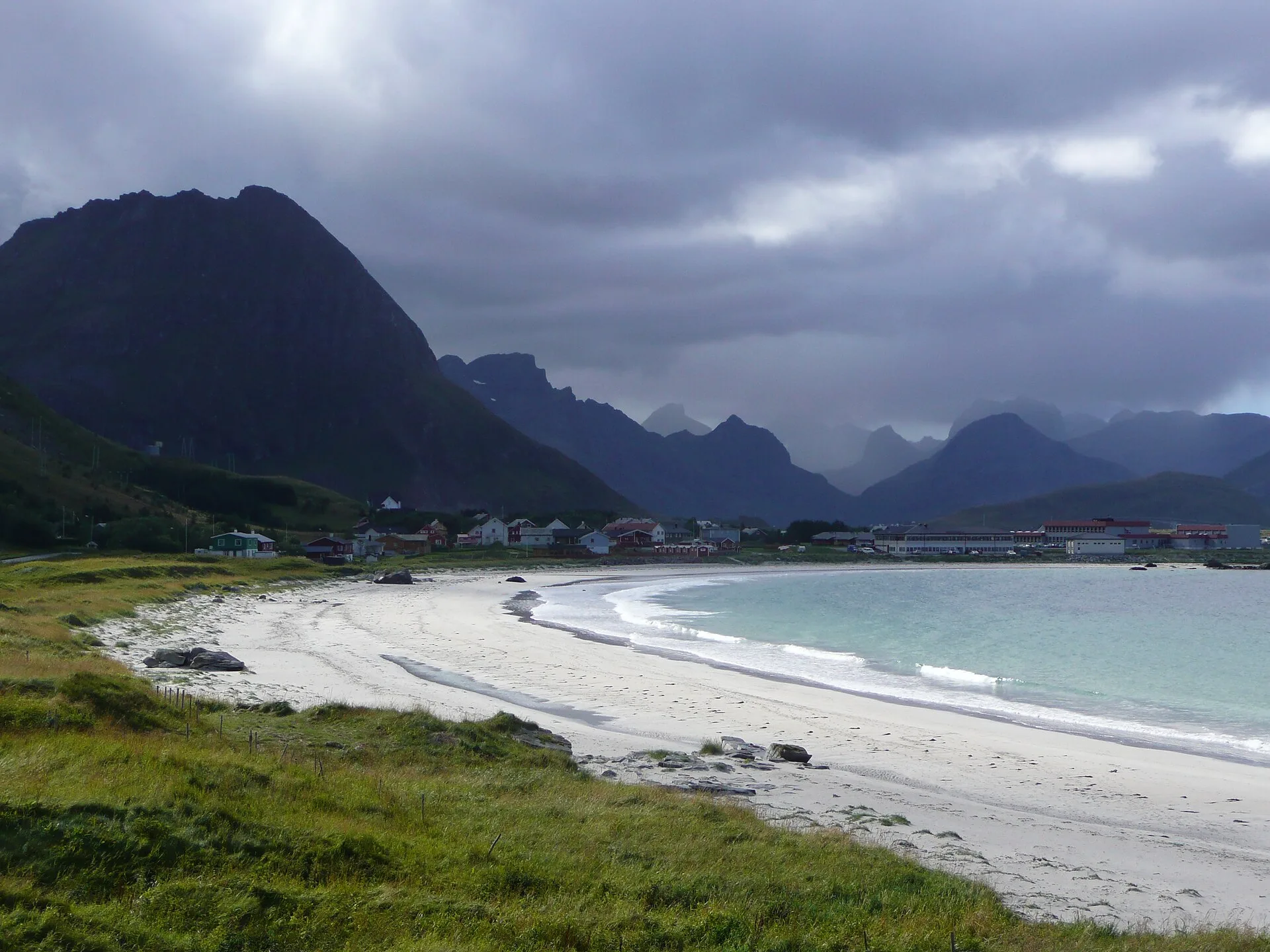
Open beaches and stretches of coast facing north or west can offer a long view of the sun's path and colourful skies. Choose somewhere with legal parking and safe access, and assess the wind and sea conditions. A famous beach is not an excuse to park in a passing place, private driveway or on the road.
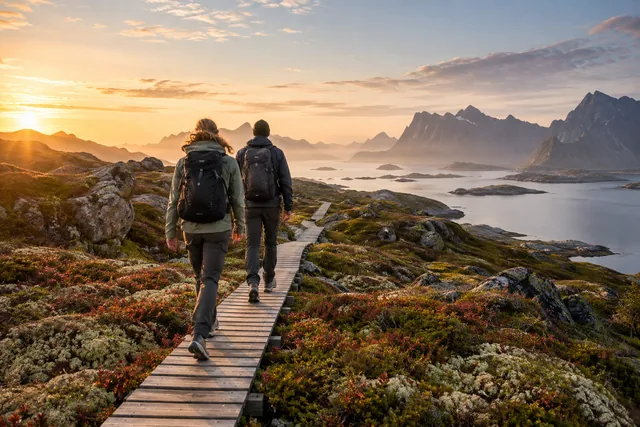
Mountain views can be spectacular, but a late or night hike requires the same safety assessment as during the day. Bright does not mean dry, warm or simple. Fog, wind and wet rock can come quickly, and rescue is no less serious because the clock shows midnight.
A place close to the accommodation is often best. You get more time in the light and less night driving, and can go back if the weather changes.
Photograph the light, not just the sun
Look at the direction of the clouds, reflections in the water and how the low sun lights the mountains, fishermen's cabins and beach. The best composition may come before or after the sun's lowest point. Use exposure compensation or manual settings to avoid blown-out skies, and take several exposures rather than relying on one.
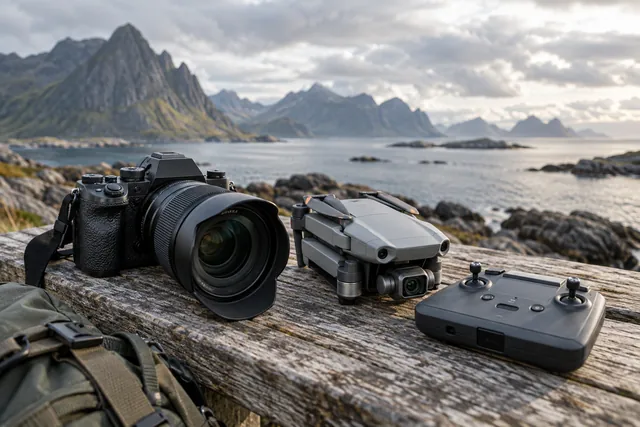
Sunglasses protect the eyes in normal use, but you should not look directly at strong sunlight through an optical viewfinder or telephoto lens without the right solution. Protect the camera against salt, sand and condensation, and keep the tripod out of the way and path.
Share the location with others. Do not move private equipment, enter gardens or create new tracks to get a marginally better angle.
Protect your circadian rhythm before it ruins your days
Check whether the room has blackout curtains or blinds before booking, especially a rorbu with many windows. Bring a sleep mask and keep a roughly regular bedtime on evenings when you have not planned a late photography session. Children may need consistent routines even when it still looks like afternoon outside.
Do not put both a late photo evening and an early boat trip one after the other. Fatigue affects driving, trip assessment and seasickness. If you've been out for a long time, choose a quiet morning near the base.
Alcohol and lack of sleep reinforce poor judgement. The midnight sun provides more light hours, not more hours the body can be awake without consequence.
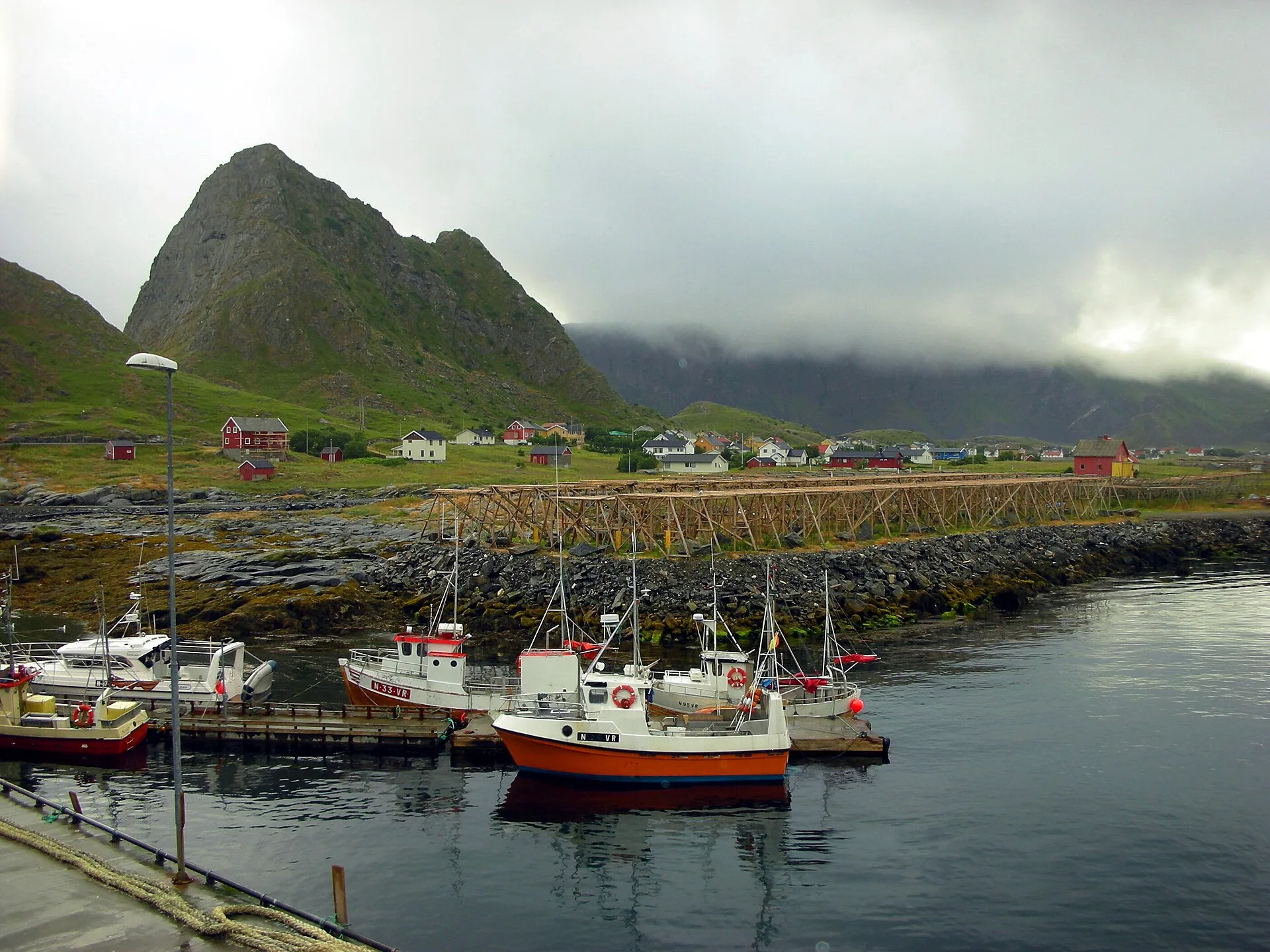
The night is bright, but the local community is asleep
Keep noise down near homes, fishermen's cabins and harbours. Do not use private jetties, courtyards or gardens as viewpoints. Respect signs and local parking rules even when there are few other cars.
Bird life and grazing animals need distance around the clock. Follow the path, avoid drones where rules or considerations stop it, and take all waste with you. Use the toilet before going to a place without facilities.
Plan your return while you are still alert. A safe photo location close to your accommodation is better than a long night spent driving between popular stops.