Seasonal guide · month by month

When is the best time to travel to Lofoten?

There is no best month for everyone. The right time depends on whether you want to go high in the mountains, see the northern lights, drive in winter or have the largest possible selection of activities.

Last editorial review: 27 August 2026Published by ViewLofotenOur approach and corrections

At a glance

June to August is easiest to plan; September and March offer distinctive seasonal combinations.

Summer brings long days and the widest access to trails and activities. September combines autumn colours with evenings dark enough for the northern lights. March offers snowy scenery and much more daylight than the polar night. Weather, snow and wind can still change your plans in any month.

Key sources for this summaryMET NorwayVarsomLofoten Code of Conduct
Summer and hiking
June–August, depending on snow and trail conditions
Northern lights season
Dark nights from late summer to spring
Winter light
February–March
Quieter shoulder months
May and September

Choose the month according to the most important goal

  • Hiking: choose summer, when trails are usually most accessible, but check local snow, rainfall and ground conditions.
  • Midnight sun and bright nights: visit in early or mid-summer; the exact dates depend on the location and terrain.
  • Northern lights: choose a period with dark evenings and spend several nights in the same area. A clear sky matters more than a single high aurora forecast.
  • Snowscape and photo: February and March often provide a more usable combination of winter and daylight than the darkest part of the year.
  • Fewer crowds: May and September can have quieter roads, but also fewer services operating and more changeable conditions.

Shoulder season is not a secret extension of summer. Restaurant opening days, activities, ferries and museums may have reduced schedules. Check the essentials before building an entire trip around a single experience.

January to March: winter, light and gradually longer days

January

Winter dominates, and days remain short after the polar night. This is a trip for flexible plans, winter driving and activities suited to snow and wind – not a summer hiking wish list.

February

The light returns quickly. You get more time for fishing villages, guided tours and photography in daylight, while the nights are still dark. Weather and road conditions can be demanding.

March

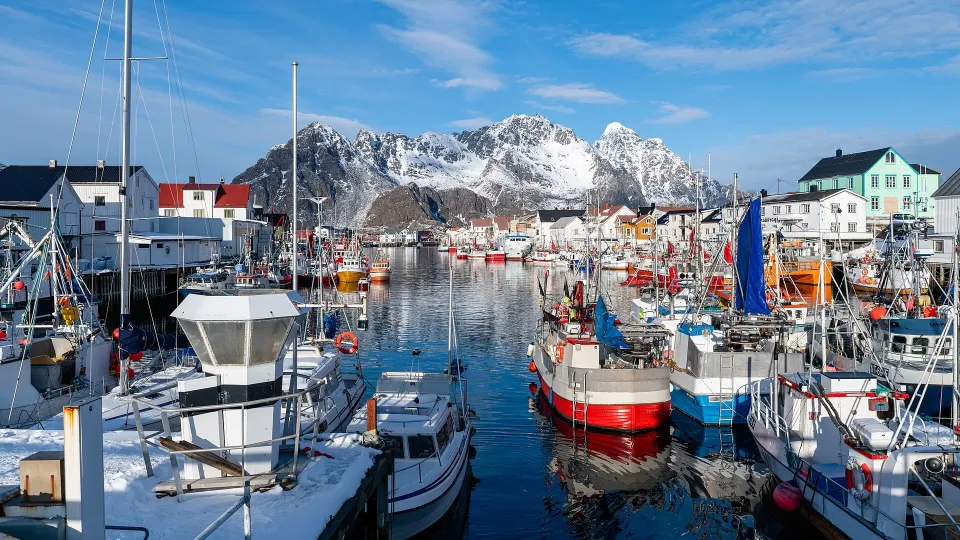
March is appealing for winter scenery because the days are considerably longer. Snow in the mountains does not make ordinary summer routes safe: avalanche terrain requires relevant expertise and checking the warnings on Varsom.

The most important plan of the winterKeep driving stages short, stay close to your activities and leave one day unplanned.
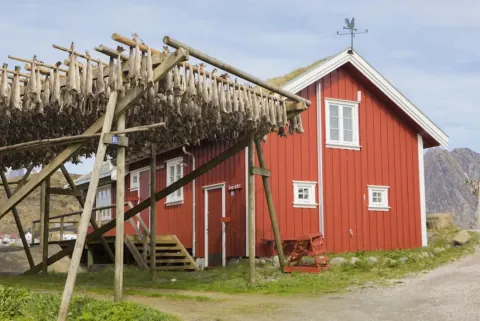
Nusfjord with red fishermen’s cabins and mountains
NusfjordPhoto: Vberger · Wikimedia Commons

April and May: transition between winter and summer

April

Daylight increases quickly, but conditions can switch between winter and spring. Low-lying areas may be snow-free while snow and ice remain higher up. This is a good time for fishing villages, culture, photography and lower-level walks chosen to suit the day’s ground conditions.

May

Days become very long, the landscape changes colour and summer traffic may not yet have peaked. Higher trails can still be wet or snow-covered, and some seasonal activities are only just starting. May suits travellers who are willing to adjust their plans.

Photos from low-lying areas do not prove that mountain conditions are safe. Check the specific hike, and take particular care around steep gullies and snowfields.

June to August: the easiest months to plan

June

Bright nights leave plenty of freedom to reschedule a walk around the weather. Snow may still remain at higher altitudes early in the month. Respect closed, fragile or wet trails and avoid creating new tracks around muddy patches.

July

July offers the widest range of activities and open restaurants, but also the most pressure on accommodation, parking and popular places. Book your accommodation and important meals, and visit at quieter times without disturbing residents.

August

The first part of August often feels summery, while dark evenings gradually return. Weather and temperature can change quickly. Towards the end of the month, northern lights may become possible when it is sufficiently dark and clear.

Summer does not mean hot or dry. Wind and rainproof layers are important throughout the period, and the sea is cold.

September to November: colours, weather and dark evenings

September

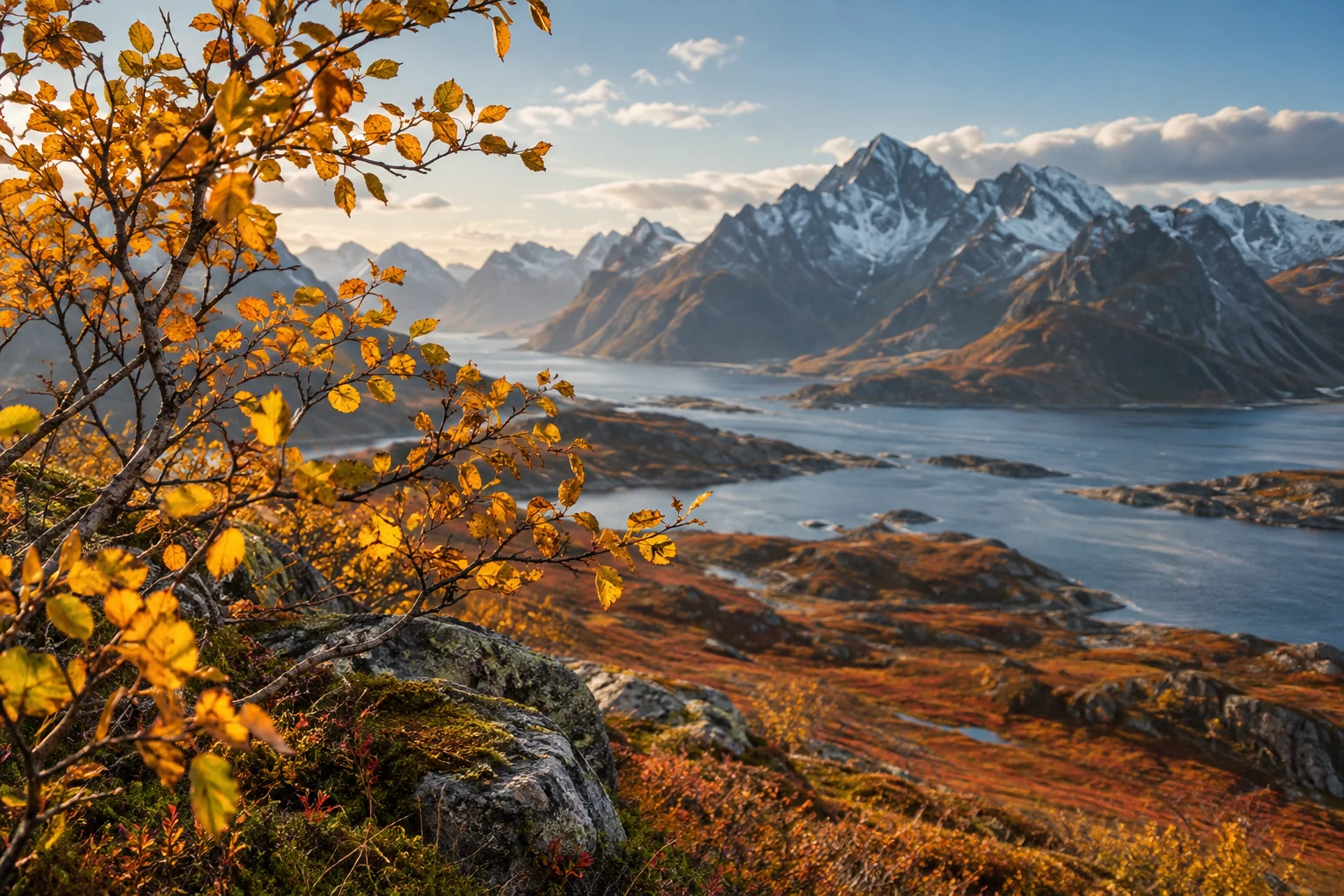
September is a good compromise for autumn colours, mountain walks on suitable days and evenings dark enough for northern lights. Rain, wind and wet paths mean allowing more flexibility and a wider safety margin than in midsummer.

October

The days are getting shorter, and autumn storms can affect roads, sea activities and flights. Build the trip around fishing villages, food, culture and short weather windows. High walks can be slippery or get early snow.

November

This is a dark and weather-exposed period. It is best suited for travelers who want quiet, dramatic light and flexibility, and who accept that offers and transport may be less convenient than in summer.

Rambergstranda with white sand, sea and mountains
RambergstrandaPhoto: Sberla_ · Wikimedia Commons

December: polar night and local pre-Christmas traditions

In the darkest part of the year, the sun does not come above the horizon, but that does not mean complete darkness all day long. Twilight lights can produce strong colors when the weather permits. If you are traveling in December, accommodation, meals and activities should be checked in advance because public holidays and the season affect the opening hours.

Northern lights are possible under clear skies, but long nights do not guarantee a sighting. Cloud cover and breaks in the weather are decisive. Plan a winter stay with culture, food and gentle outdoor activities, not a trip whose only purpose is a promised aurora sighting.

The same advice applies in every month: check live travel information as your trip approaches, and choose the day for each activity according to conditions, not just the calendar.

Quick answers

Frequently asked questions

Always check date-sensitive information with the original source.

What is the best month to visit Lofoten?

July is easiest for a broad summer programme. September is suitable for autumn and dark evenings, while March is a good choice for winter landscapes with more daylight.

When can you see the northern lights in Lofoten?

Northern lights can be seen when nights are dark enough, usually from late summer to spring. Clear skies and solar activity are also needed; no month guarantees a sighting.

When is the midnight sun in Lofoten?

The midnight sun occurs around early and mid-summer. Exact dates depend on location, the horizon and mountains, so check solar data for the place where you are staying.

When is the best time to go hiking?

Summer is usually easiest, but snow can linger and rain can make steep paths slippery. Always check the specific hike and the day’s conditions.

Is May or September a good time to travel?

Yes, for flexible travelers. May brings very long days and transitional weather; September brings autumn colors and dark evenings, but often wetter and more changing conditions.

Sources and checks

The sources behind this guide

We prioritise public authorities and direct information from the responsible transport company, organiser or business. Commercial links are never our sole factual source. Information that may change must be checked for your travel dates.

What to consider next

Keep planning